How to Tow a Trailer Safely: A Pre-Trip Checklist
By the Main Street Motors team · Updated November 2026
There is more to towing than hooking up and driving off.
Here are the basics from NHTSA’s towing brochure, Towing a Trailer: Being Equipped for Safety.

- Matching the truck to the trailer
- Safety chains and mirrors
- Estimating trailer weight
- A simple pre-trip routine
Match the truck, hitch and trailer
NHTSA says most SUVs, pickups, vans and many cars can be equipped to tow, but the right setup depends on the trailer’s type, size and weight. Your hitch system needs to match the job, and you may need extra towing equipment.
Know the real weight
NHTSA recommends developing a realistic estimate of your trailer’s fully loaded weight, including everything on it, such as fuel tanks, motors and gear. Then compare it with your truck’s ratings. Our guide to towing capacity and payload explains them.
Chains and mirrors
NHTSA says safety chains should cross under the trailer tongue, which helps keep the tongue from dropping to the road if the trailer separates. If your trailer is wider than your truck, you will need extended side mirrors to see traffic behind and beside you.
Brakes
In Indiana, trailers of 3,000 pounds or more need brakes. See our guide to Indiana trailer brake law.
Shop our trucks
Live from our lot in Portage.

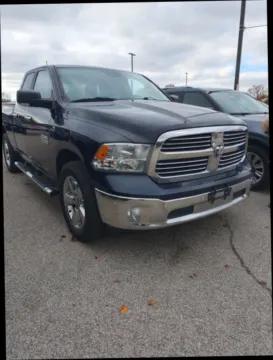


$245/mo
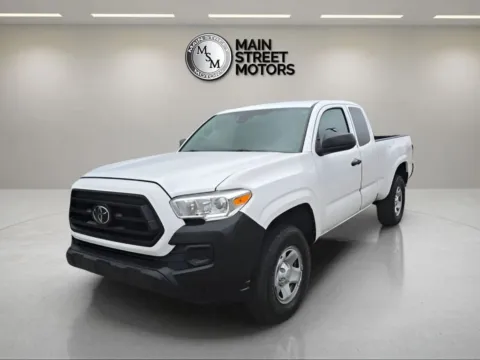
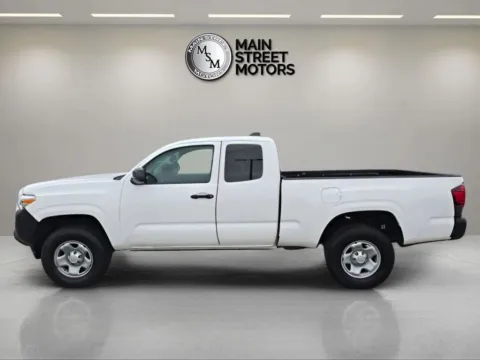


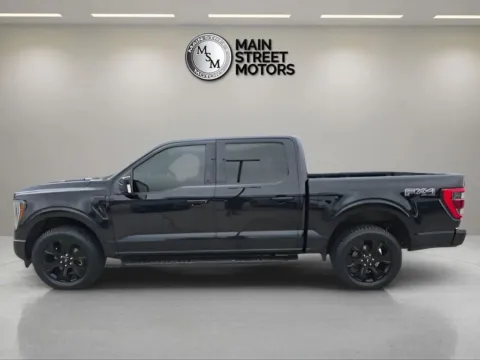
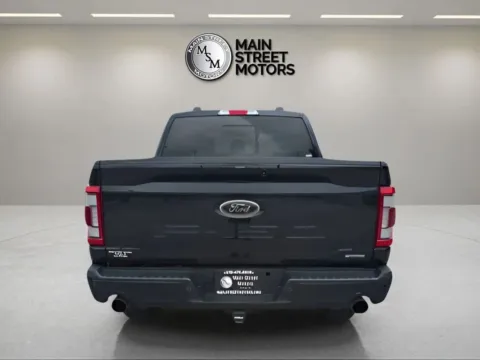


$33,965
$479/mo


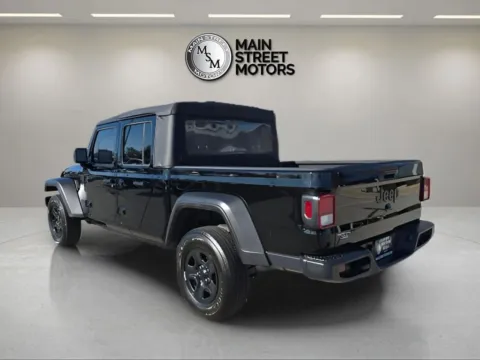


$30,465
$430/mo
Pre-trip towing checklist
- Read the door-jamb labels for GVWR and GAWR
- Check the owner’s manual for towing limits
- Weigh your loaded trailer if you are close
- Check tire pressure cold, before you go
- Test trailer lights and brakes before every trip
Related reading: towing capacity and payload, gas vs. diesel trucks and how to read truck tires.
Keep reading
- Used Truck Buying Guide: every article on this topic in one place
- Weight Distribution Hitch
- Curb Weight vs GVWR
- Fifth Wheel vs. Gooseneck Hitch
Frequently asked questions
How should safety chains be hooked up?
NHTSA says they should cross under the trailer tongue to help keep it off the road if the trailer separates.Do I need towing mirrors?
NHTSA says you need extended side mirrors if the trailer is wider than your tow vehicle.Can I add a service contract to my truck?
Yes. We offer service contracts through Integrity Warranty and Alpha Warranty Services. Many of our customers choose Integrity’s top plan, often around 3 years or 60,000 miles, and we are happy to walk you through the options.