Indiana Trailer Brake Law: When Does a Trailer Need Brakes?
By the Main Street Motors team · Updated November 2026
If you tow in Indiana, the weight of your trailer decides whether it needs its own brakes.
Here is what the Indiana Code says.

- The 3,000-pound rule
- How the brakes must work
- Breakaway brakes
- Trailers under 3,000 pounds
The 3,000-pound rule
Under Indiana Code 9-19-3-3, a trailer or semitrailer with a gross weight of at least 3,000 pounds must have brakes when it is used on a highway.
How the brakes must work
The same section says the brakes must be designed so the driver of the towing vehicle can apply them from the cab, and connected so they are applied automatically if the trailer accidentally breaks away.
Lighter trailers
Indiana Code 9-19-3-4 says a trailer or semitrailer of less than 3,000 pounds gross weight is not required to have brakes. Remember that gross weight includes everything loaded on the trailer.
Pick a truck that is ready
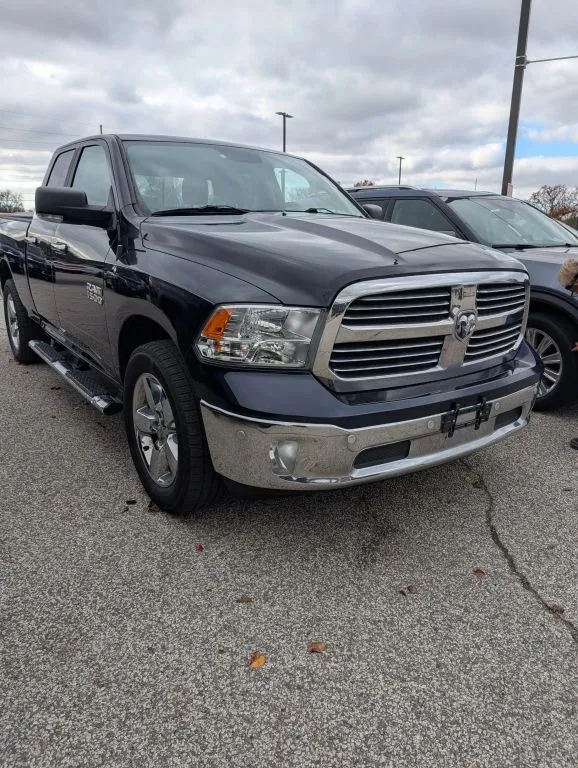
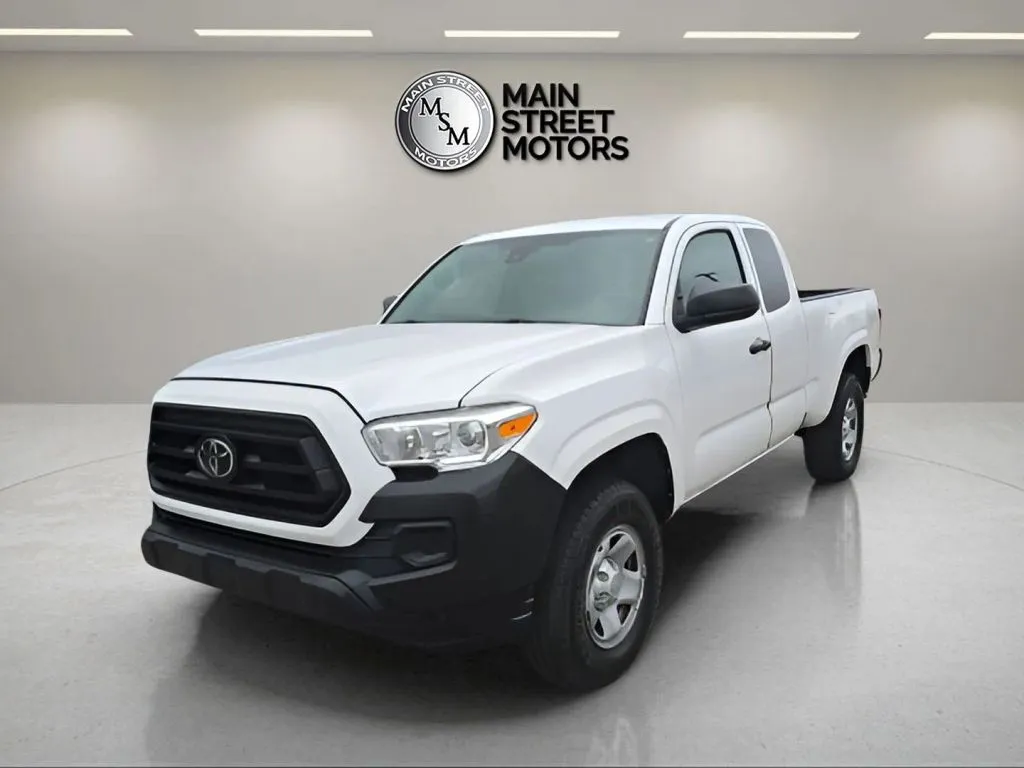
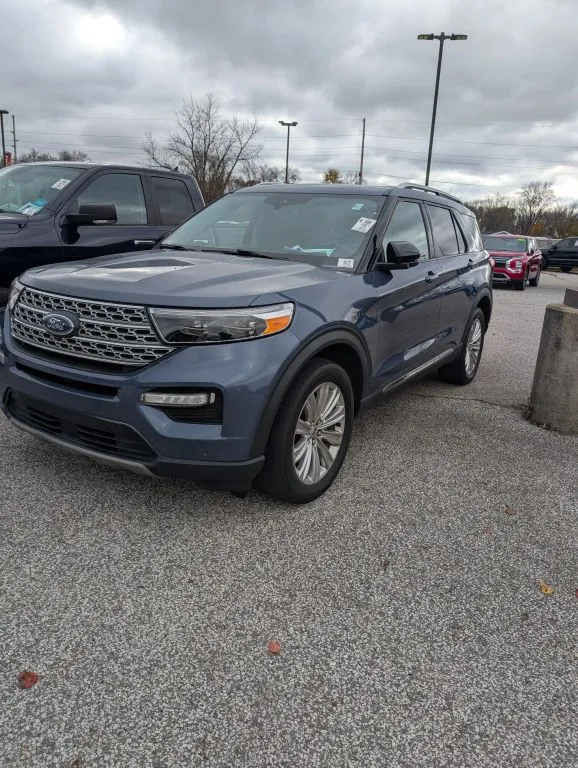
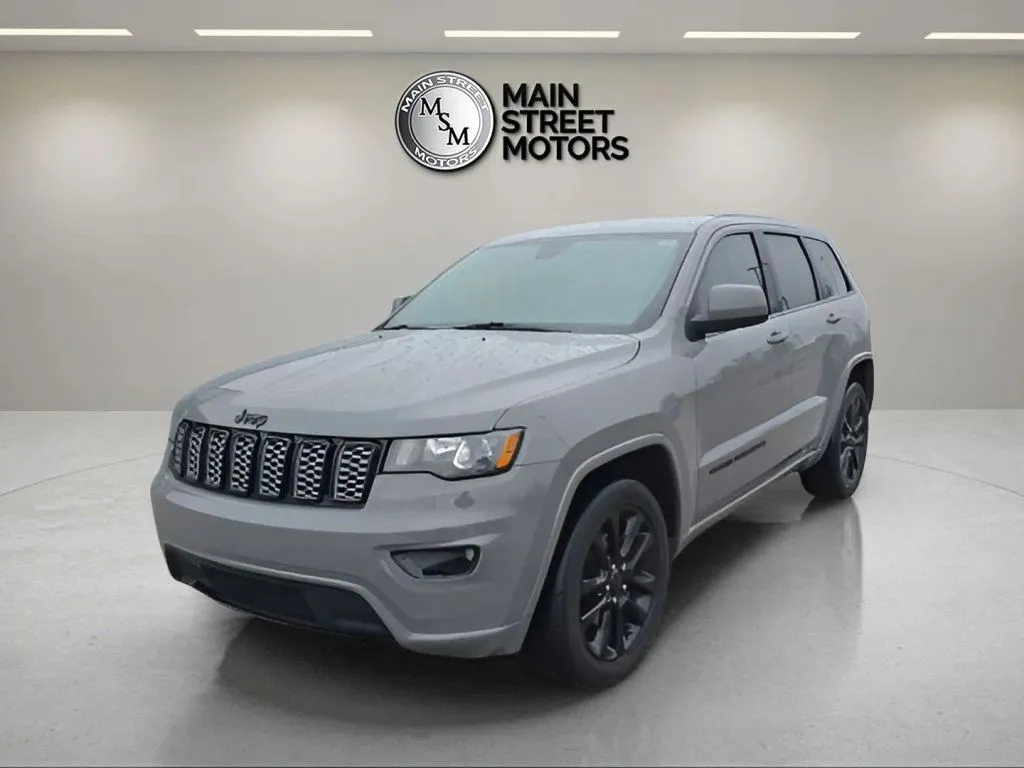
Know your trailer’s loaded weight and your truck’s limits before you hitch up. shop our trucks, and read our guide to towing capacity and payload.
Shop our trucks
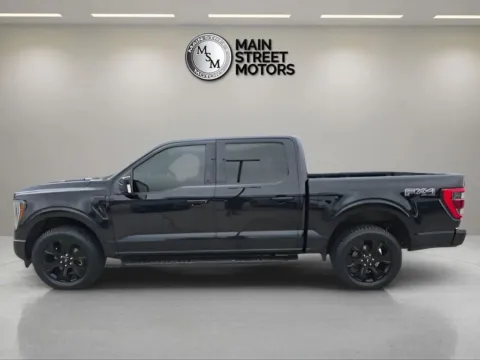
Live from our lot in Portage.



$245/mo


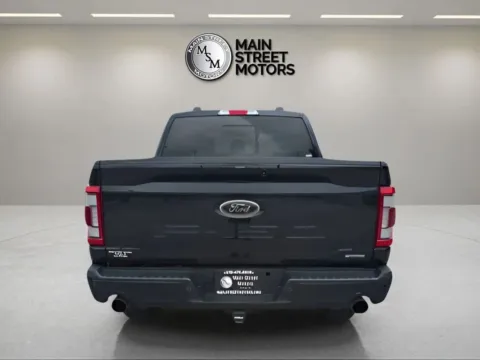


$33,965
$479/mo


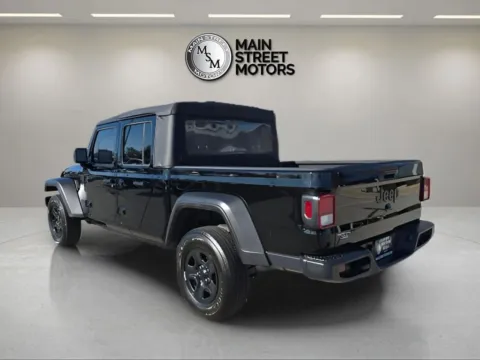


$30,465
$430/mo
Towing checklist
- Read the door-jamb labels for GVWR and GAWR
- Check the owner’s manual for towing limits
- Weigh your loaded trailer if you are close
- Check tire pressure cold, before you go
- Test trailer lights and brakes before every trip
Related reading: how to tow a trailer safely, used pickup trucks in Portage and buying a lifted truck.
Keep reading
- Used Truck Buying Guide: every article on this topic in one place
- Weight Distribution Hitch
- Fifth Wheel vs. Gooseneck Hitch
- Gas vs. Diesel Trucks
Frequently asked questions
Does my trailer need brakes in Indiana?
Under Indiana Code 9-19-3-3, a trailer with a gross weight of at least 3,000 pounds must have brakes on the highway.What are breakaway brakes?
Indiana law requires brakes on those trailers to apply automatically if the trailer accidentally breaks away from the towing vehicle.Do small trailers need brakes?
Indiana Code 9-19-3-4 says trailers under 3,000 pounds gross weight are not required to have brakes.