Weight Distribution Hitch: What It Does and How It Works
By the Main Street Motors team · Updated November 2026
If your truck squats when you hook up a camper, a weight distribution hitch may be the fix.
Here is how NHTSA’s towing guide explains it.

- Weight-carrying vs. weight-distributing hitches
- Why tongue weight matters
- How to handle sway
- What to check before every trip
Two types of bumper-pull hitches
NHTSA’s towing guide explains that a weight-carrying hitch carries all of the trailer’s tongue weight. A weight-distributing, or load-equalizing, hitch uses a receiver and special parts to spread the tongue weight across the tow vehicle’s and trailer’s axles, which can move weight back onto the front axle. Hitches are classified by the tongue weight and total weight they can handle, so check the hitch label and your owner’s manual.
Why tongue weight matters
NHTSA says too little tongue weight can cause sway. Too much puts too little weight on the front wheels, which makes steering less responsive.
If the trailer sways
Sway is more likely at higher speeds, so drive at moderate speeds. If you have electric trailer brakes, NHTSA says to apply the trailer brake controller by hand, and not to use the tow vehicle’s brakes to control sway.
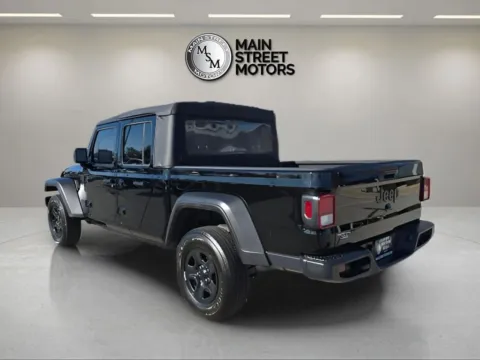
The truck in the photo
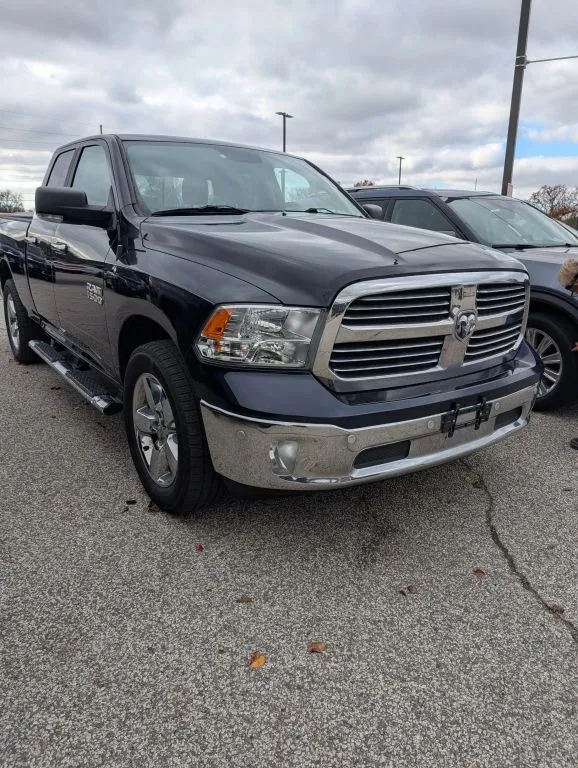
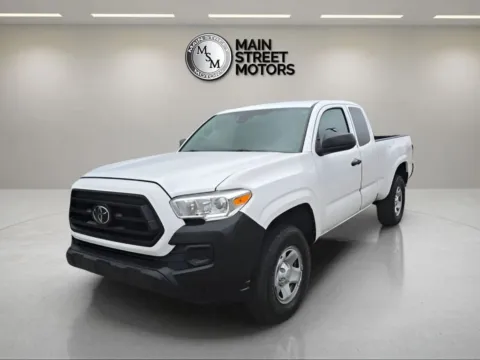
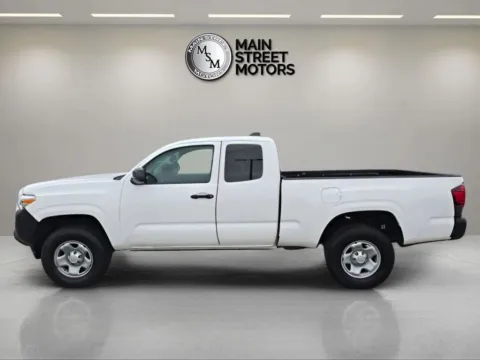
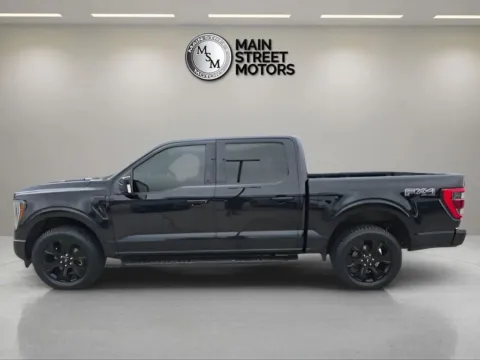
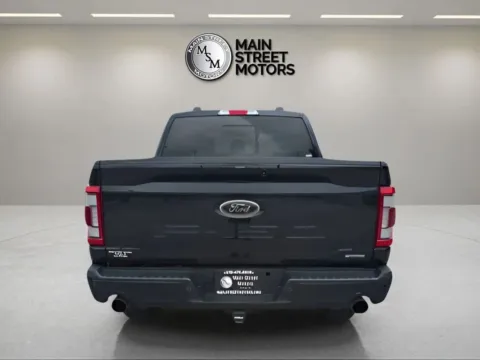
Pictured: a 2024 Ford F-150 XLT on our lot. Ford made a Class IV trailer hitch standard on the 2024 F-150. shop our trucks.
Shop our trucks
Live from our lot in Portage.



$245/mo




$33,965
$479/mo




$30,465
$430/mo
Towing checklist
- Read the door-jamb labels for GVWR and GAWR
- Check the owner’s manual for towing limits
- Check tire pressure on truck and trailer
- Test trailer lights and brakes
- Cross the safety chains under the tongue
Related reading: how to tow a trailer safely, towing capacity and payload and fifth wheel vs. gooseneck.
Keep reading
- Used Truck Buying Guide: every article on this topic in one place
- Indiana Trailer Brake Law
- Gas vs. Diesel Trucks
- Diesel Exhaust Fluid (DEF)
Frequently asked questions
What does a weight distribution hitch do?
NHTSA says it spreads tongue weight across the tow vehicle’s and trailer’s axles, which can move weight back to the front axle.What causes trailer sway?
NHTSA lists too little tongue weight and higher speeds among the causes.How do I stop trailer sway?
Ease off the speed and, with electric brakes, apply the trailer brake controller by hand. Do not use the tow vehicle’s brakes to control sway.