Fifth Wheel vs. Gooseneck Hitch: How They Compare
By the Main Street Motors team · Updated November 2026
Big campers and livestock trailers usually ride on a hitch in the truck bed, not the bumper.
Here is how NHTSA describes bed-mounted hitches and what to check before you tow.

- Where bed-mounted hitches attach
- How they differ from bumper-pull
- What to check on your truck
- Driving tips for heavy trailers
Bed-mounted hitches
NHTSA’s towing guide describes the fifth-wheel or gooseneck hitch as mounting the connection point in the middle of the truck bed.
Check your truck first
Read the door-jamb labels for GVWR and axle ratings, and check your owner’s manual for towing and payload limits. Bed-mounted trailers put a lot of weight in the bed. Our guide to towing capacity and payload explains the terms, and half-ton vs. heavy-duty trucks helps you pick the right class.
Driving tips
NHTSA says to allow much more stopping distance, make wider turns, pass only on level ground with plenty of room, and downshift on long grades instead of riding the brakes.
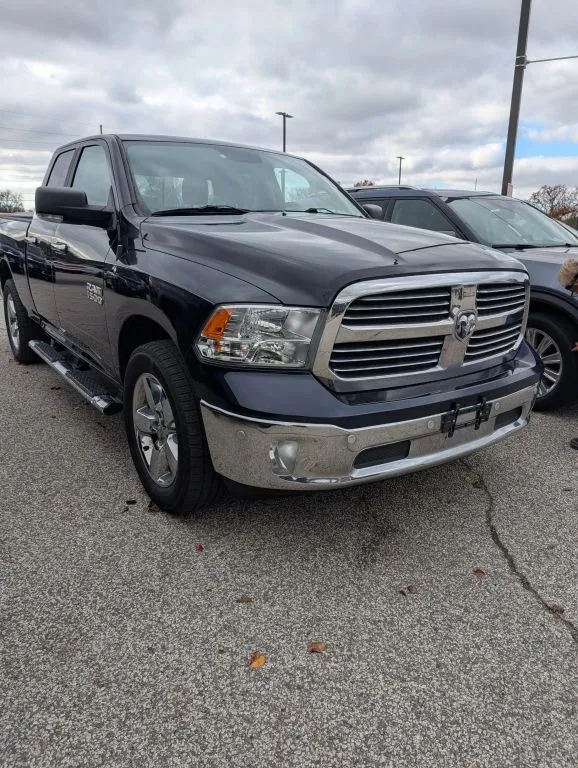
Pictured: a 2019 GMC Sierra 1500 Elevation on our lot. shop our trucks.
Shop our trucks
Live from our lot in Portage.

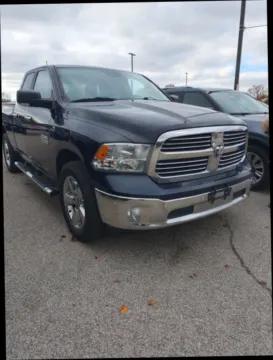


$245/mo
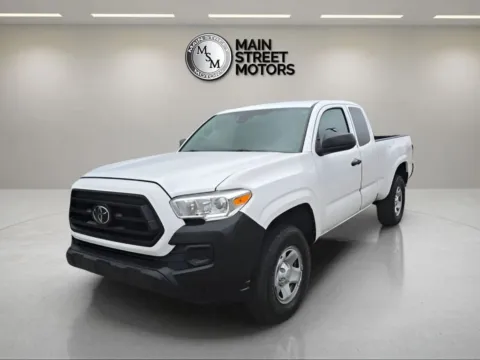
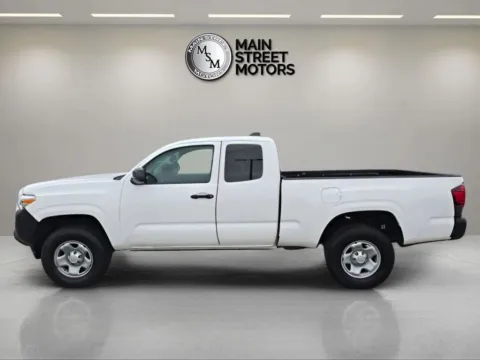


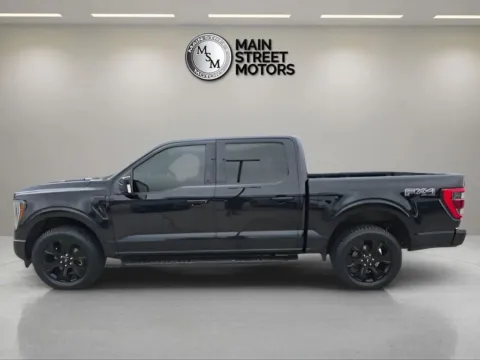
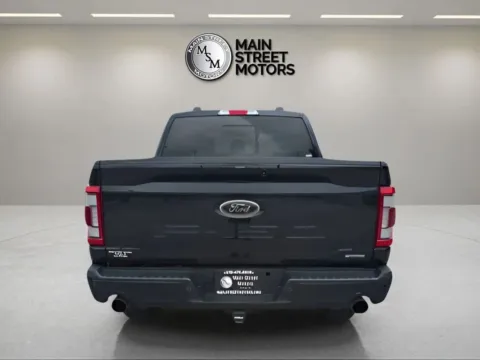


$33,965
$479/mo


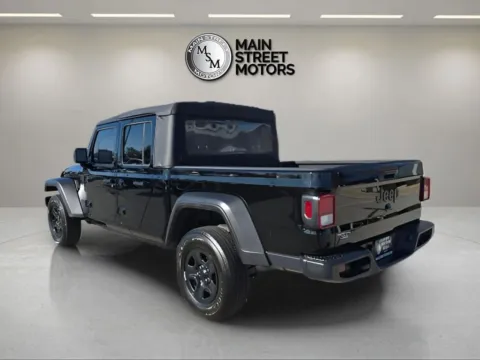


$30,465
$430/mo
Towing checklist
- Read the door-jamb labels for GVWR and GAWR
- Check the owner’s manual for towing limits
- Check tire pressure on truck and trailer
- Test trailer lights and brakes
- Cross the safety chains under the tongue
Related reading: weight distribution hitches and how to tow a trailer safely.
Keep reading
- Used Truck Buying Guide: every article on this topic in one place
- Gas vs. Diesel Trucks
- Diesel Exhaust Fluid (DEF)
- Indiana Trailer Brake Law
Frequently asked questions
Where does a fifth wheel or gooseneck hitch mount?
NHTSA says in the middle of the truck bed.What should I check before towing a fifth wheel?
Your door-jamb GVWR and axle ratings and the towing and payload limits in your owner’s manual.Any driving tips?
Allow more stopping distance, take wider turns and downshift on long grades.