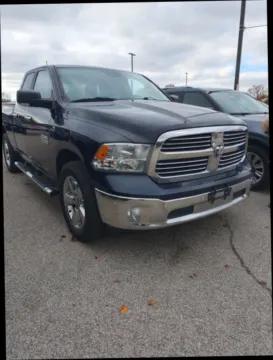
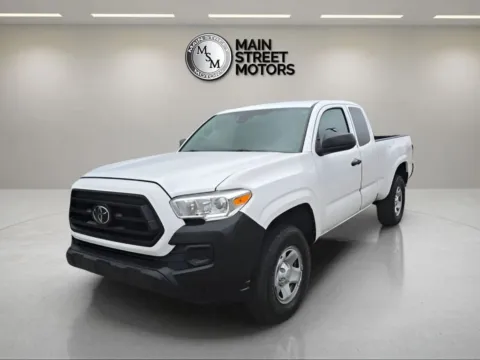
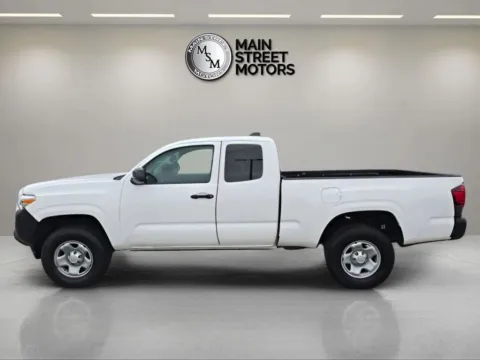
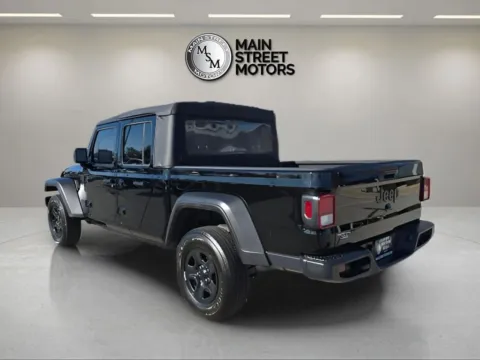
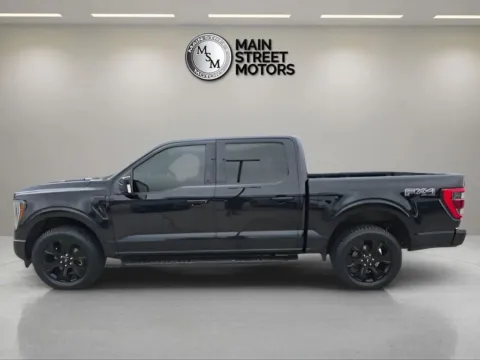
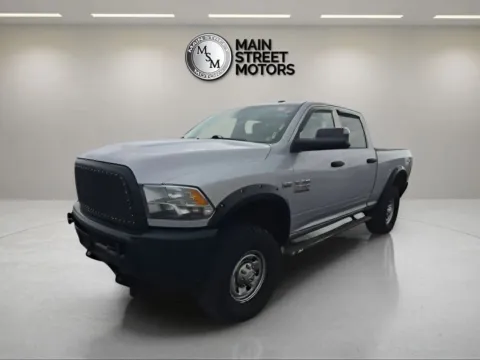
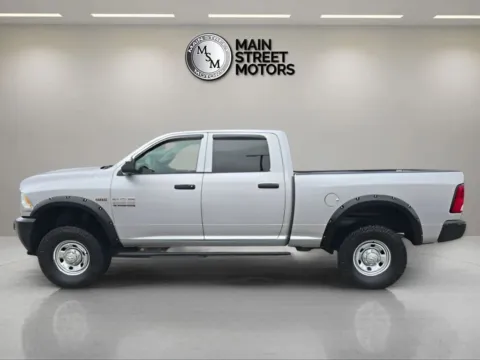
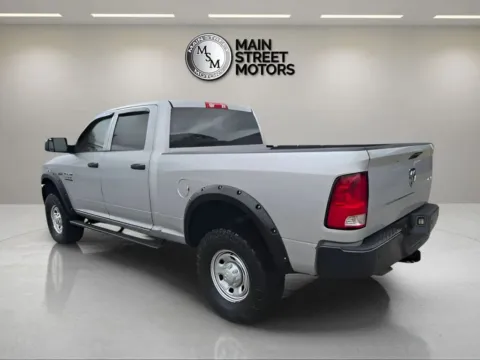
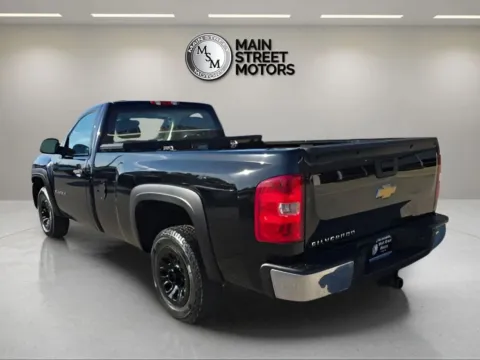
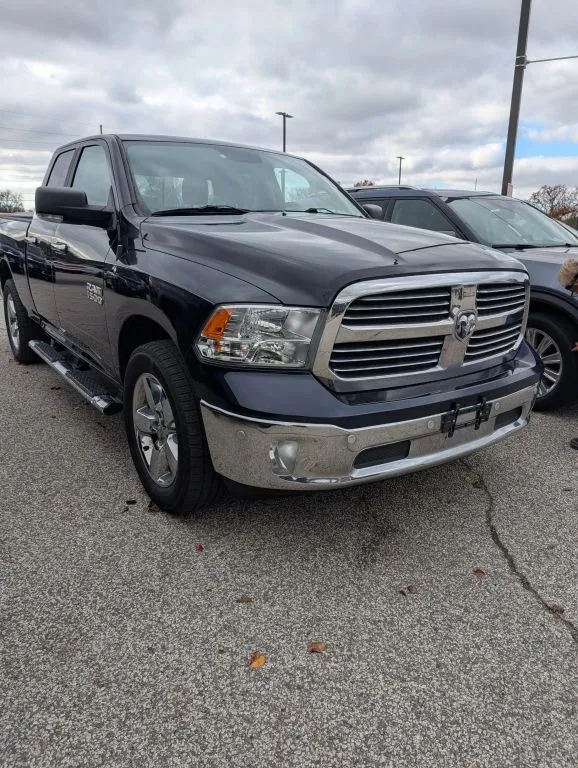
F-150, F-250, Silverado 1500, Ram 2500. The numbers in truck names hint at size and capability, but they don't tell the whole story.Here's how the classes break down and which numbers to look at before you buy.
Key takeaways
1500 or 150 trucks are called half-tons. 2500 or 250 are three-quarter-tons. 3500 or 350 are one-tons.
The names are old shorthand. Today's trucks can carry far more than their nickname suggests.
GVWR, payload and towing ratings on the specific truck are what really matter.
Pickups over 8,500 lb GVWR are heavy duty and aren't tested for EPA fuel economy.
The classes at a glance
Class
Examples
Typical use
Half-ton
F-150, Silverado 1500, Sierra 1500, Ram 1500
Daily driving, family, light to medium towing
Three-quarter-ton
F-250, Silverado 2500HD, Ram 2500
Bigger trailers, heavier loads, work
One-ton
F-350, Silverado 3500HD, Ram 3500
Heaviest towing, dually and chassis cab work
General guide. Always check the specific truck's ratings.
The numbers that matter
GVWR is the most the truck can weigh with passengers and cargo. Payload is how much you can add. Towing capacity depends on engine, axle ratio, cab and bed. All of it is on the door-jamb label and in the manufacturer's towing guide for that year.
Fuel economy
Half-tons carry EPA mpg ratings. Heavy-duty pickups above 8,500 lb GVWR don't, because fuel economy regulations don't apply to them. Plan on a heavy-duty truck using more fuel than a comparable half-ton.
Run the VIN for recalls at nhtsa.gov/recalls. It takes about a minute.
Read the Buyers Guide on the window. Federal rules require one on every used vehicle a dealer offers for sale, and it shows whether the vehicle comes with a warranty or is sold as is.
Ask about service contracts. We offer plans from Integrity and Alpha. Coverage levels, terms and labor rates differ from plan to plan, so ask which ones fit the vehicle you like.
Take a real test drive with some highway miles on I-94 or the toll road, and try the brakes, steering and climate controls.