How to Read Truck Tire Sizes and Sidewall Markings
By the Main Street Motors team · Updated November 2026
A truck tire’s sidewall is full of information that matters when you haul and tow.
Here is what federal rules require on the sidewall and what NHTSA says about pressure and tire age.

- What the sidewall must show
- What load range means on LT tires
- Where to find the right pressure
- How to tell a tire’s age
What the sidewall must show
Federal Motor Vehicle Safety Standard 139 requires light vehicle tires to show, on each sidewall, the DOT symbol, the tire size, the maximum inflation pressure and the maximum load rating. For LT, or light truck, tires, it also requires the letter for the load range.
Tires that meet the federal snow tire definition may also carry the Alpine symbol.
Use the door label for pressure
NHTSA says the right pressure is the one your vehicle manufacturer lists on the Tire and Loading Information label, on the driver’s door edge or door jamb, or in the owner’s manual. It is not the number printed on the tire.
How old is the tire?
The DOT Tire Identification Number is on the sidewall, and NHTSA says its last four digits show the week and year the tire was made. Check both sides, since it may not appear on both.
Bigger tires on lifted trucks
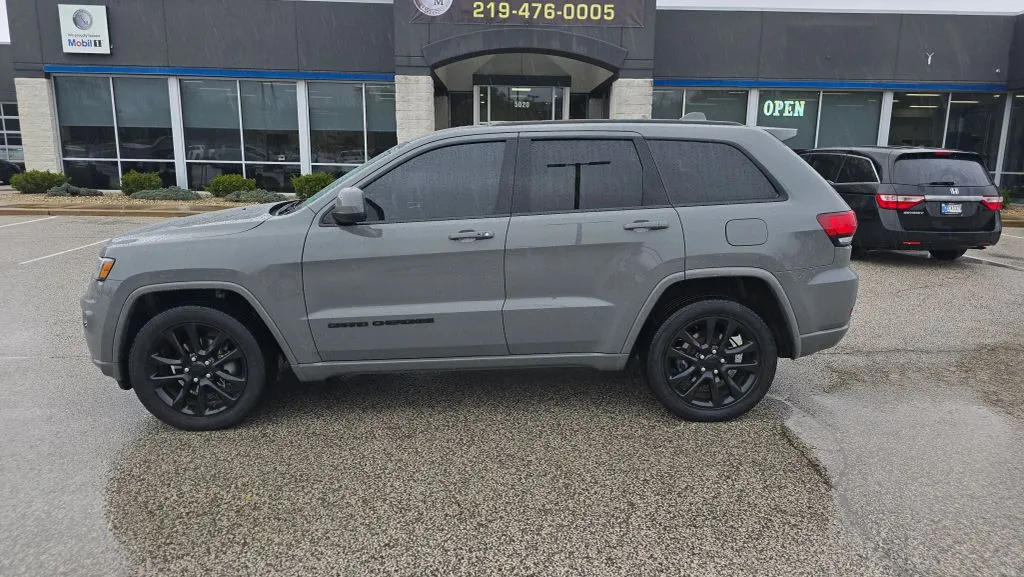
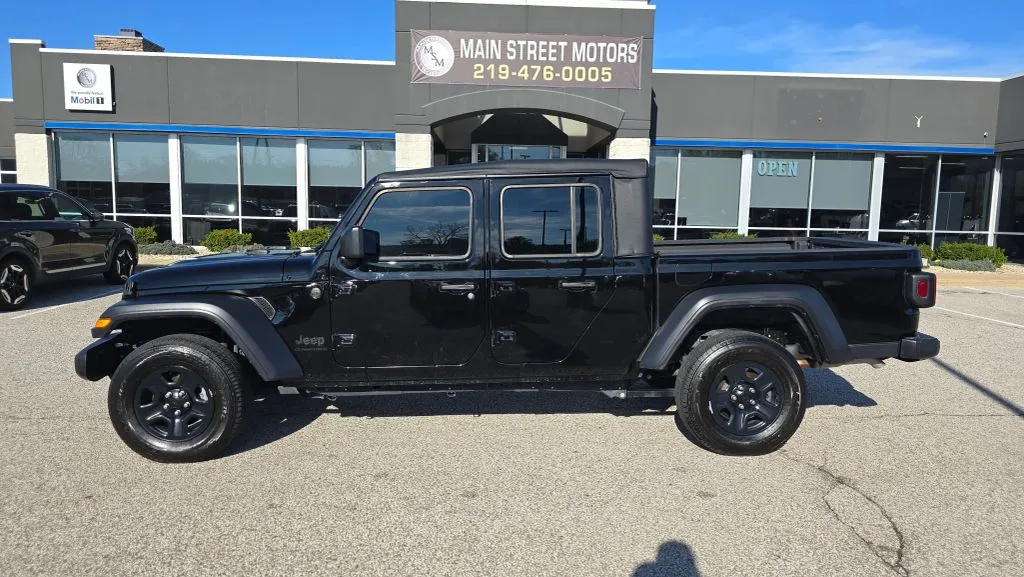
Many of the trucks on our lot are lifted with Rough Country 6-inch lifts and 35x12.50R20 tires. Read our guide to 6-inch lifts and 35-inch tires to see what that size means.
Shop our trucks
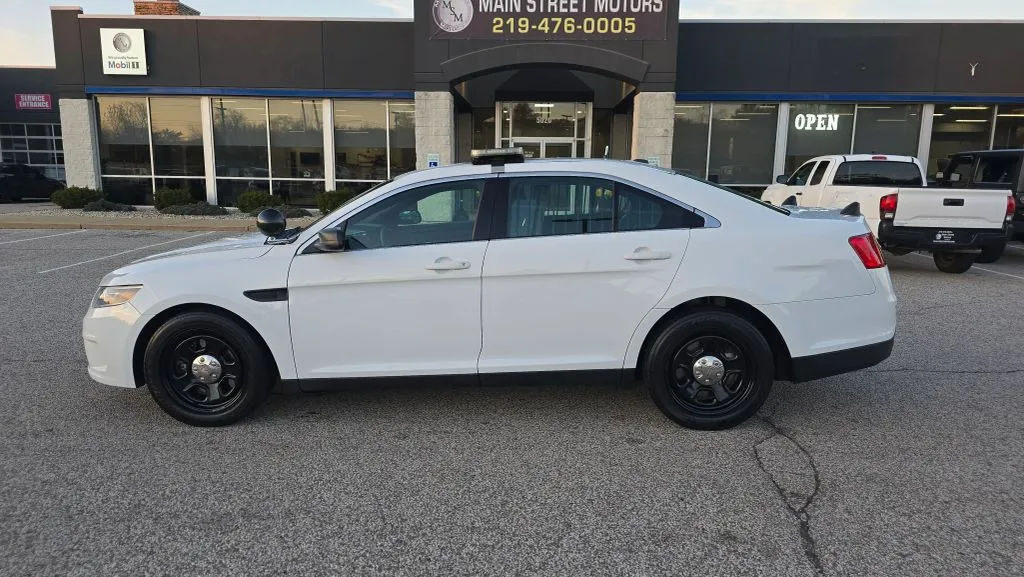
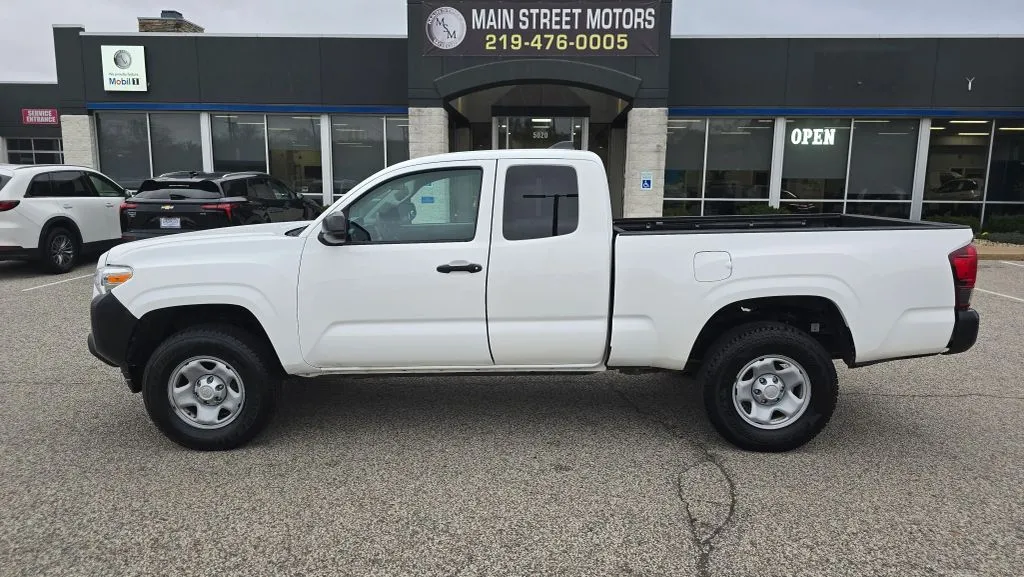
Live from our lot in Portage.



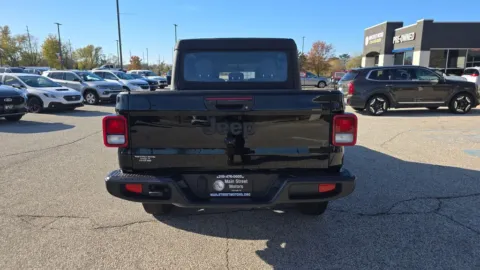
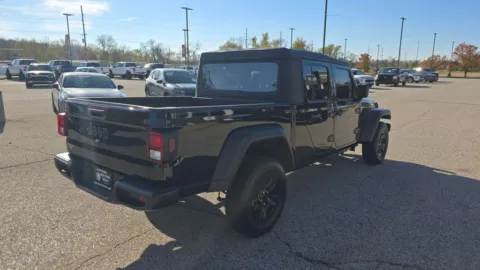

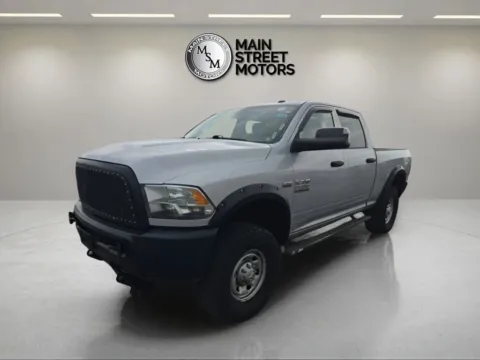
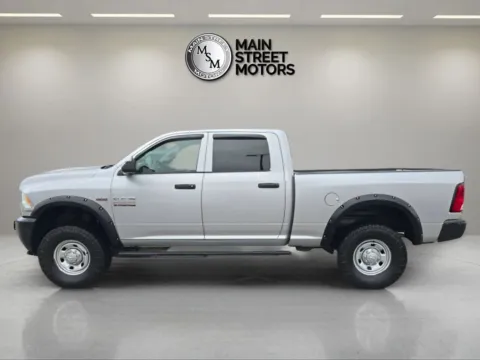

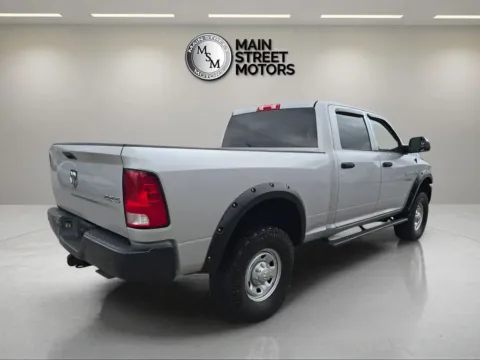
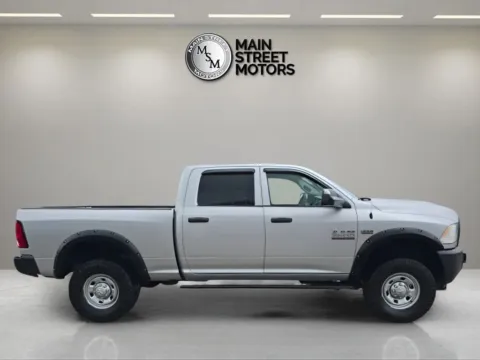
$355/mo


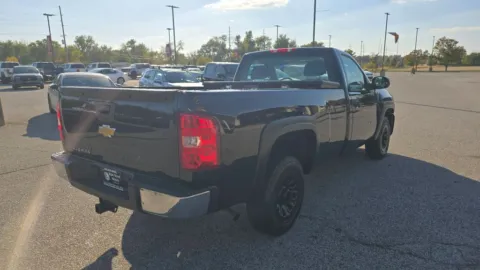
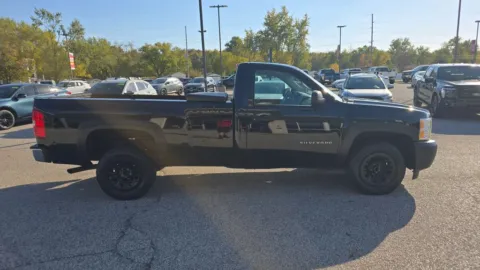
$150/mo
Tire checklist
- Check pressure cold using the door label
- Read the DOT date code
- Look for even tread wear
- Match load range to how you haul
- Check the spare too
Related reading: tire pressure in cold weather, lifted trucks for sale and winter tires vs. all-season tires.
Frequently asked questions
What does load range mean on a truck tire?
Federal rules require LT tires to show a letter designating the load range, along with the tire’s maximum load rating.Should I inflate to the pressure on the tire?
No. NHTSA says to use the pressure on your vehicle’s Tire and Loading Information label or owner’s manual, not the number on the tire.How do I tell how old a tire is?
NHTSA says the last four digits of the DOT Tire Identification Number show the week and year it was made.