Hybrid vs. Plug-In Hybrid: What's the Difference?
Table of Contents
- How a regular hybrid works
- How a plug-in hybrid works
- Winter in Northwest Indiana
- Shop hybrids and plug-in hybrids
- What to check before you buy
- Which one fits you?
- Frequently asked questions
- Do I have to plug in a plug-in hybrid?
- How long does a plug-in hybrid take to charge?
- Is the 2025 Camry a hybrid?
- Do hybrids lose mpg in winter?
By the Main Street Motors team · Updated November 2026
Hybrids and plug-in hybrids both pair a gas engine with electric power, but they work differently day to day. One never needs a plug. The other can run on electricity alone for short trips if you charge it.
Here is how each one works, according to the EPA and Department of Energy, with real examples from our lot.

- How a regular hybrid saves fuel
- How a plug-in hybrid is different
- How long charging takes at home
- How cold weather affects both
How a regular hybrid works
According to the EPA and DOE, most hybrids use regenerative braking to recapture energy when you coast or brake, an electric motor that helps the engine accelerate, and automatic stop and start. That lets a smaller, more efficient engine do the job. You fill it with gas like any car and never plug it in.
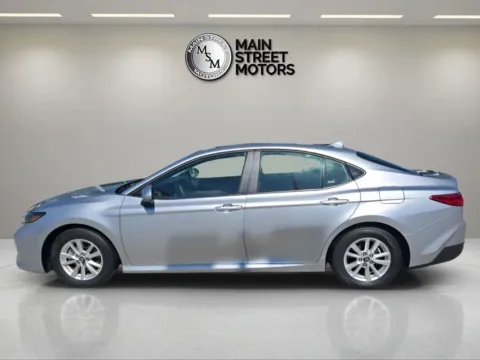
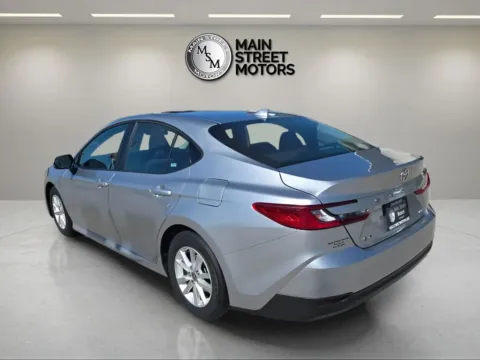
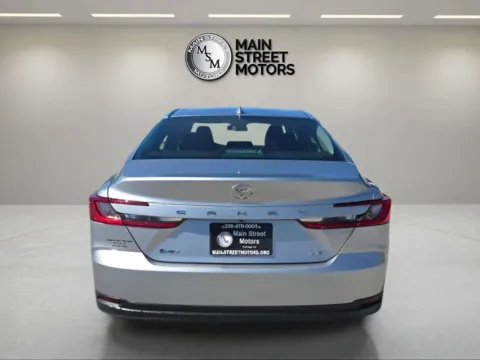
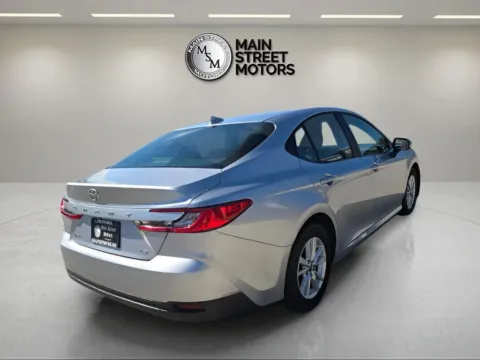
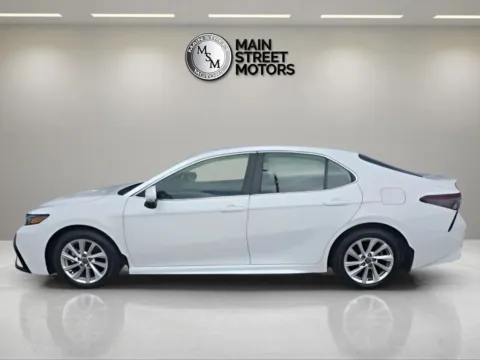
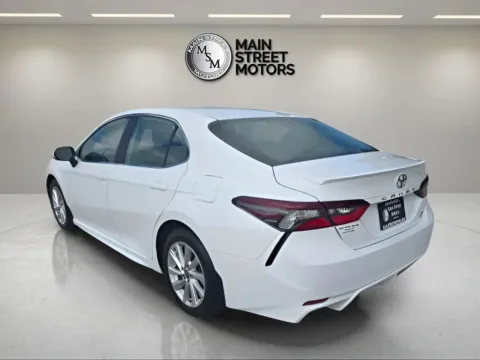
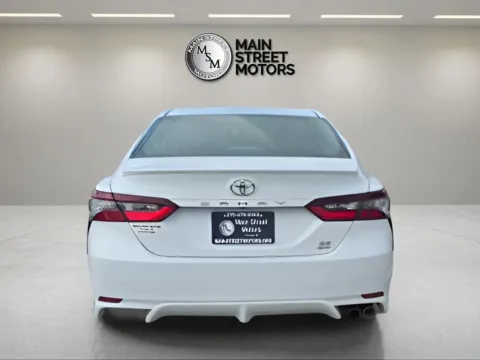
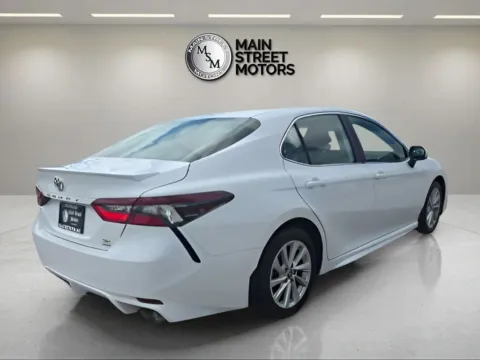
Example: Toyota made every 2025 Camry a hybrid, and the EPA rates the front-wheel-drive LE at 51 mpg combined.
How a plug-in hybrid works
A plug-in hybrid has a larger battery you can charge from an outlet or charging station. The EPA and DOE say plug-in hybrids use roughly 30% to 60% less petroleum than conventional vehicles. They do not have to be plugged in, but you only get their best range and efficiency when you charge.
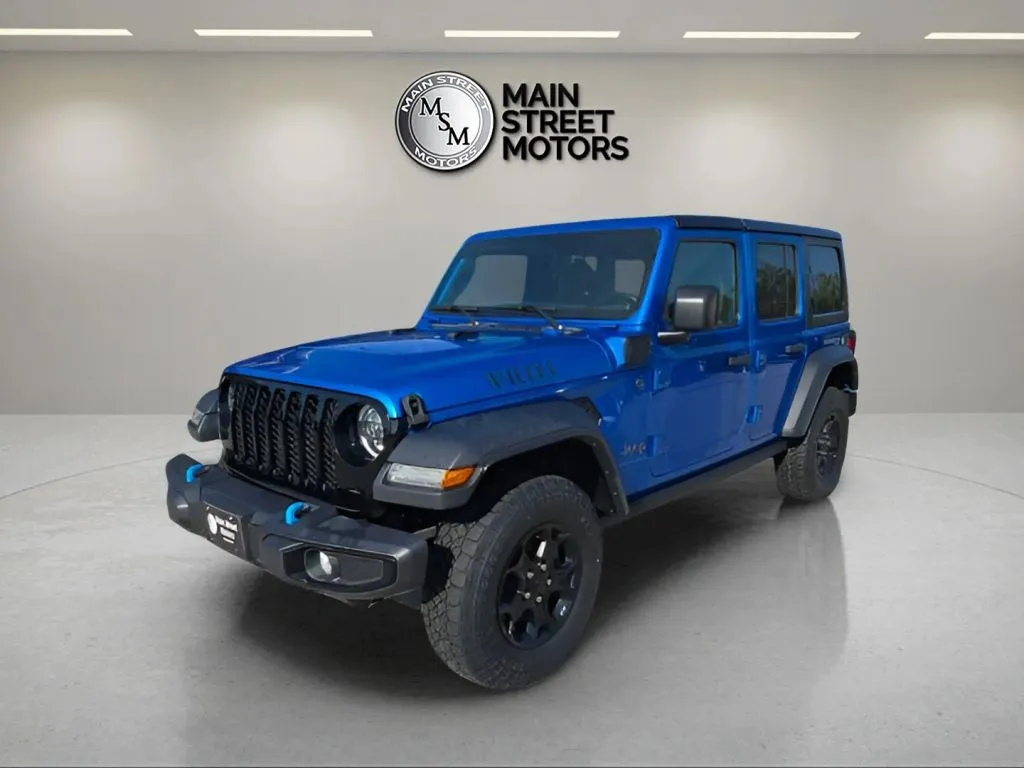
Example: the EPA rates the 2023 Jeep Wrangler 4xe at about 22 miles of all-electric range and 20 mpg combined when running on gas.
| Hybrid | Plug-in hybrid | |
|---|---|---|
| Plug in? | Never | Yes, for best results |
| Electric-only driving | Short bursts at low speed in some models | Up to the EPA-rated electric range |
| Charging at home | Not needed | 120V outlet: several hours. 240V: about 1 to 4 hours |
| Example on our lot | 2025 Toyota Camry LE, 51 mpg combined | 2023 Jeep Wrangler 4xe, about 22 electric miles |
Winter in Northwest Indiana
Every vehicle loses efficiency in the cold. The EPA and DOE report hybrids can lose about 30% to 34% in cold weather. For plug-in hybrids and EVs, their tips are to preheat the cabin while plugged in and use seat warmers instead of the cabin heater. NHTSA adds that hybrids and EVs may have reduced range in cold weather, so keep the battery charged.
Shop hybrids and plug-in hybrids
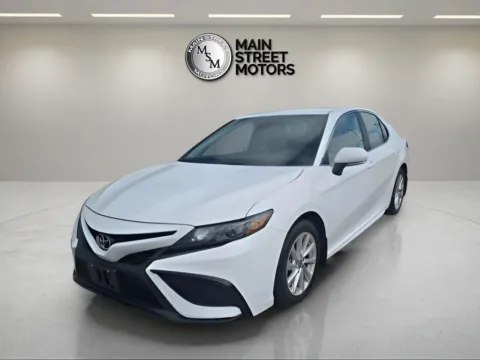
Live from our inventory.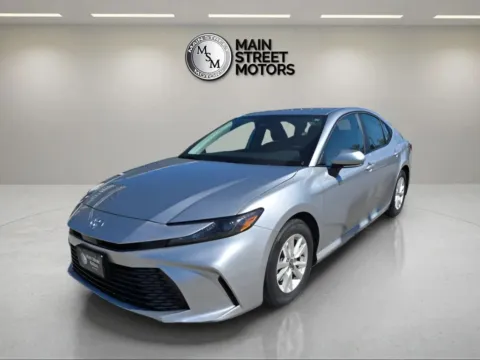
What to check before you buy
- Ask for the charging cable with any plug-in hybrid, and check the charge port.
- Run the VIN for recalls at nhtsa.gov/recalls. It takes about a minute.
- Read the Buyers Guide on the window. Federal rules require one on every used vehicle a dealer offers for sale, and it shows whether the vehicle comes with a warranty or is sold as is.
- Ask about service contracts. We offer plans from Integrity and Alpha. Coverage levels, terms and labor rates differ from plan to plan, so ask which ones fit the vehicle you like.
- Take a real test drive with some highway miles on I-94 or the toll road, and try the brakes, steering and climate controls.
Which one fits you?
- You have no place to plug in
- You drive lots of highway miles
- You want simple fill-and-go
- You can charge at home
- Your daily trips are short
- You want to use less gas around town
Related reading: best used cars for an I-94 commute and Wrangler vs Wrangler 4xe.
Frequently asked questions
Do I have to plug in a plug-in hybrid?
No. The EPA and DOE say they can run on gas alone, but you will not get the best range or fuel economy without charging.How long does a plug-in hybrid take to charge?
The EPA and DOE say a 120-volt household outlet can take several hours, and a 240-volt charger about 1 to 4 hours.Is the 2025 Camry a hybrid?
Yes. Toyota made the 2025 Camry hybrid only.Do hybrids lose mpg in winter?
Yes. The EPA and DOE report hybrids can lose about 30% to 34% in cold weather, though they still start from a high number.