How to Install a Car Seat and Get It Checked
By the Main Street Motors team · Updated November 2026
A car seat only protects a child when it is the right seat, installed the right way.
Here are the basics from NHTSA, the federal agency for vehicle safety.

- Which seat fits which age
- Lower anchors or seat belt
- The back seat rule
- Getting your seat inspected
| Age | NHTSA recommendation |
|---|---|
| Birth to 12 months | Always rear-facing |
| 1 to 3 years | Rear-facing until the seat’s top height or weight limit |
| 4 to 7 years | Forward-facing with harness and tether, then a booster |
| 8 to 12 years | Booster seat until the seat belt fits properly |
Anchors or seat belt, never both
NHTSA says to install the seat with either the lower anchors or the seat belt, never both. For forward-facing seats, use the tether whenever both the car seat and vehicle makers allow it.
Back seat through age 12
NHTSA recommends keeping children in the back seat at least through age 12, and keeping them rear-facing as long as possible.
Get it inspected and registered
NHTSA says certified technicians will inspect your car seat, at no charge in most cases. Register your seat with the manufacturer so you hear about any recalls.
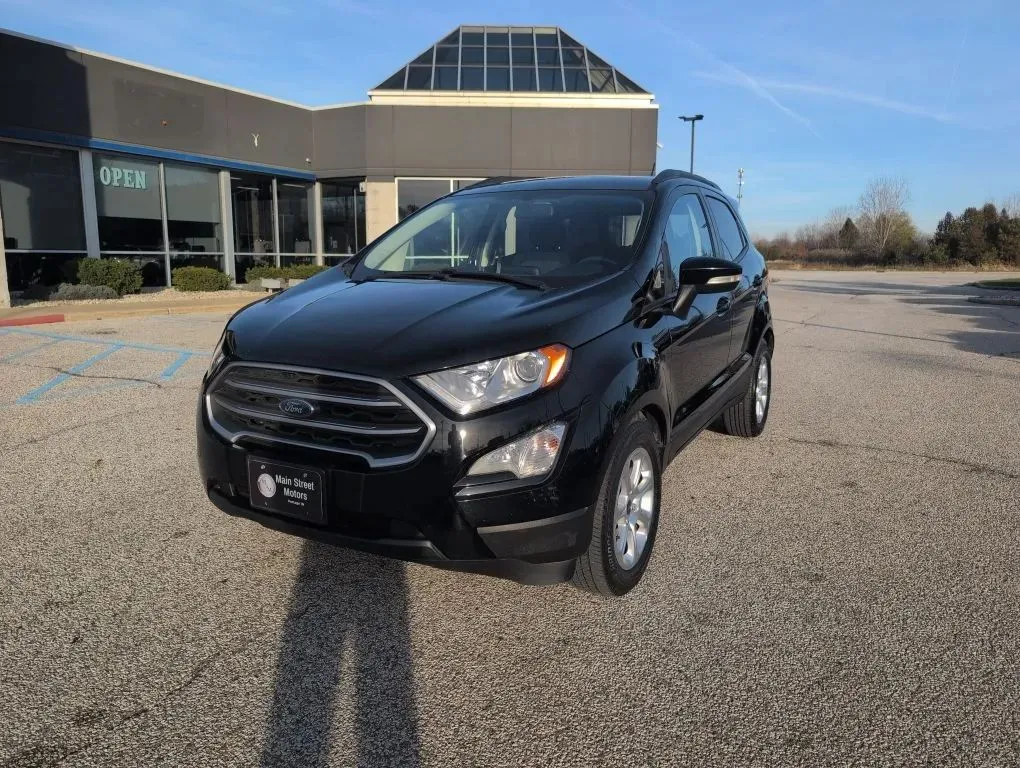
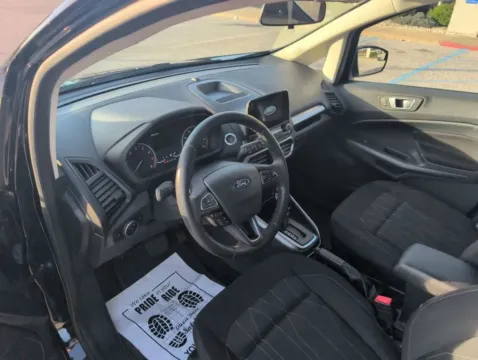
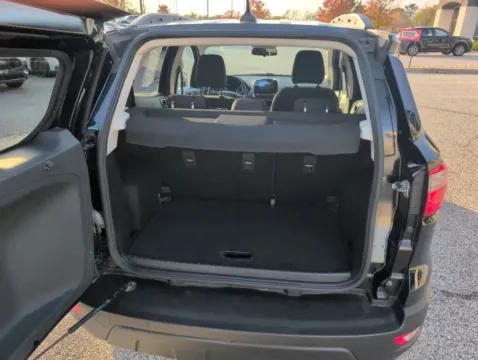
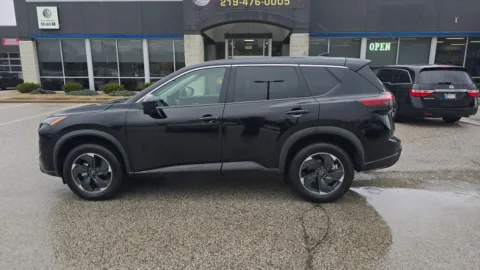
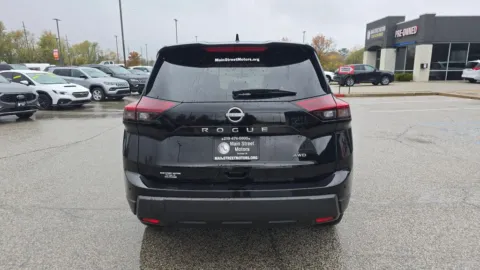
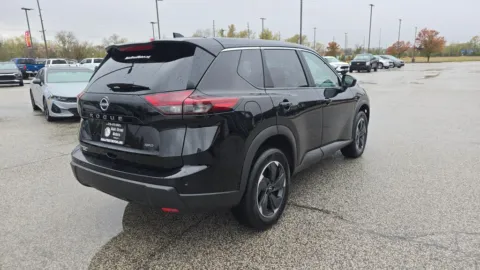
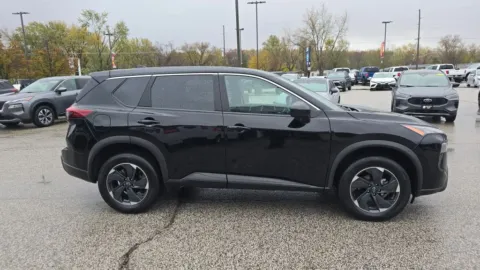
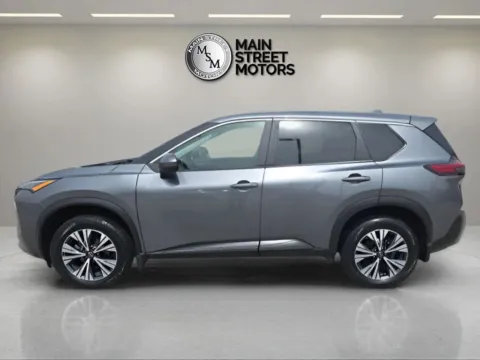
Bring your car seat when you test drive a family SUV. shop our SUVs.
Shop family SUVs
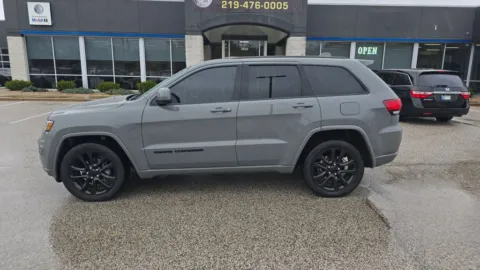
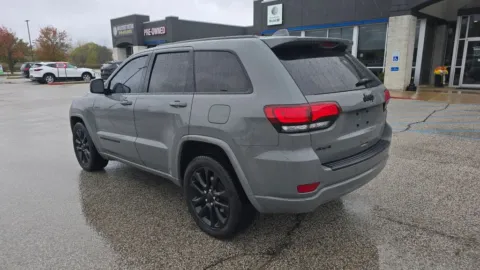
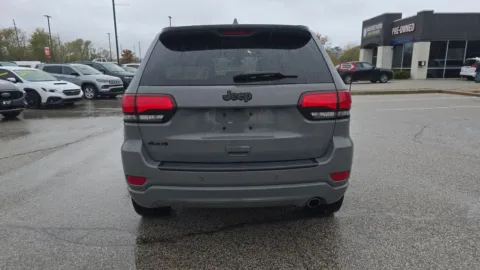
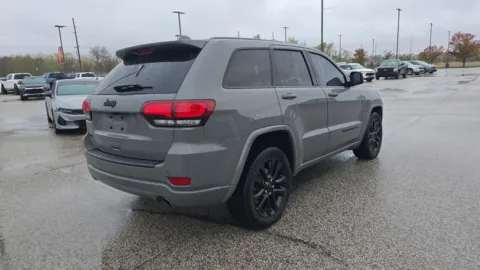
Live from our lot in Portage.





Car seat checklist
- Pick the right seat for age and size
- Use anchors or belt, never both
- Use the top tether when forward-facing
- Register the seat
- Get it inspected
Related reading: best used family SUVs, safest used SUVs on our lot and compact vs. midsize SUV.
Frequently asked questions
Can I use the lower anchors and seat belt together?
No. NHTSA says to use one or the other, never both.How long should my child ride rear-facing?
NHTSA says as long as possible, until they reach the top height or weight limit of the seat.Where can I get my car seat checked?
NHTSA says certified technicians will inspect your seat, at no charge in most cases.