Compact vs. Midsize SUV: How to Pick the Right Size
By the Main Street Motors team · Updated November 2026
“Compact” and “midsize” are everyday shopping terms, but the EPA groups SUVs a different way.
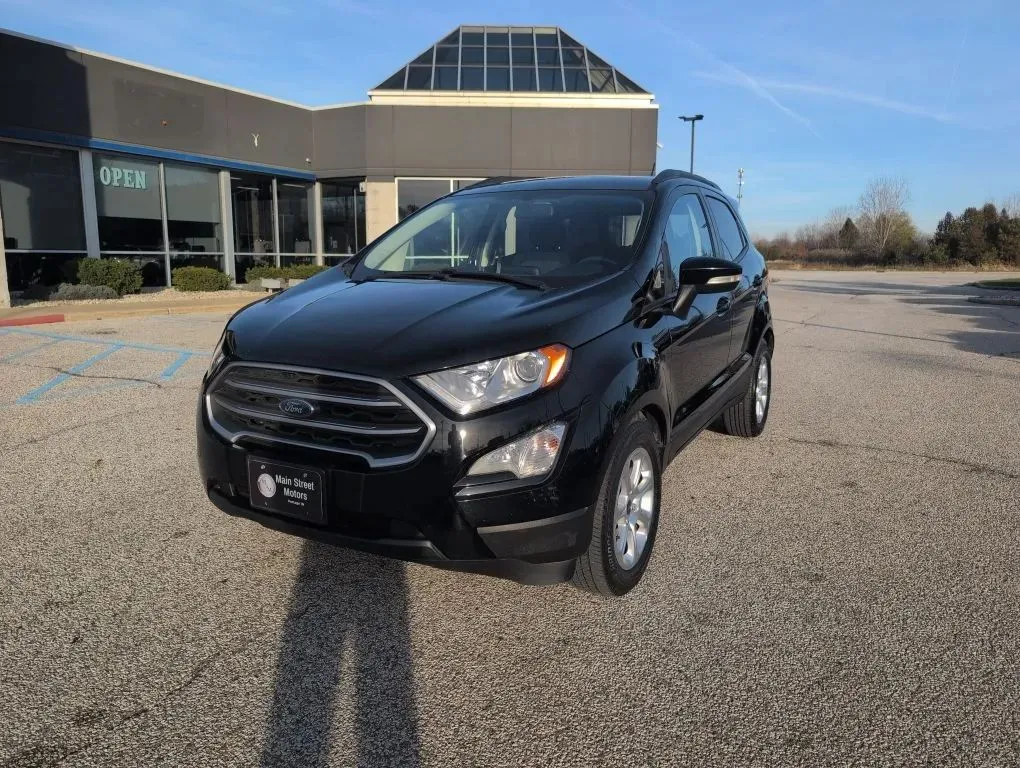
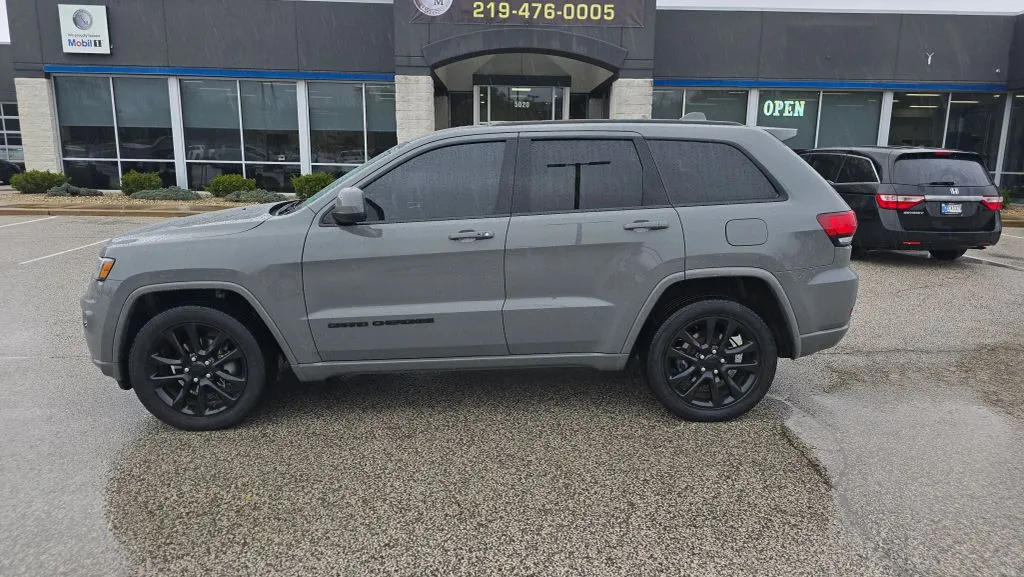
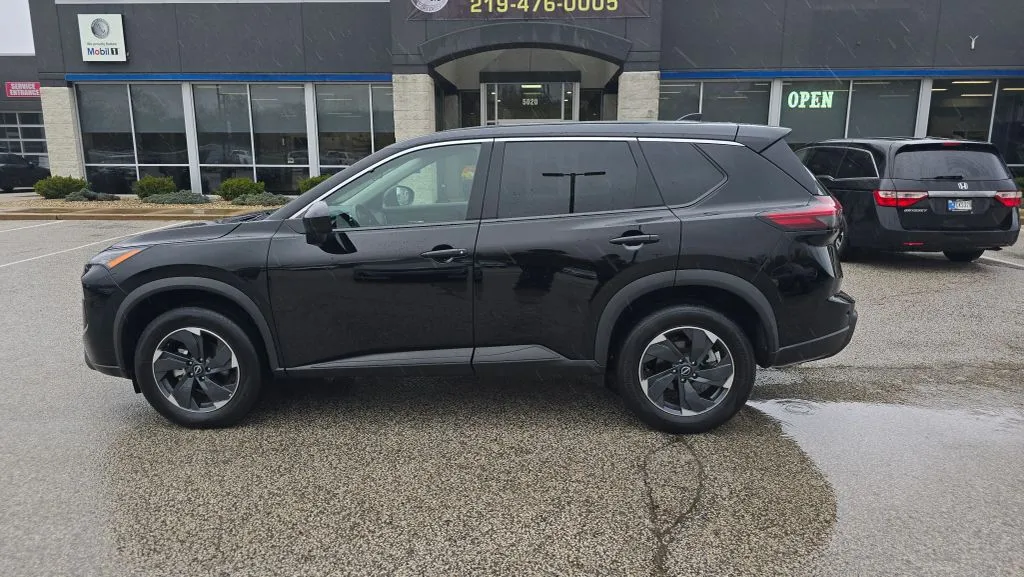
Here is how the EPA does it, with examples from our lot, and how to pick the right size for your life.

- How the EPA classifies SUVs
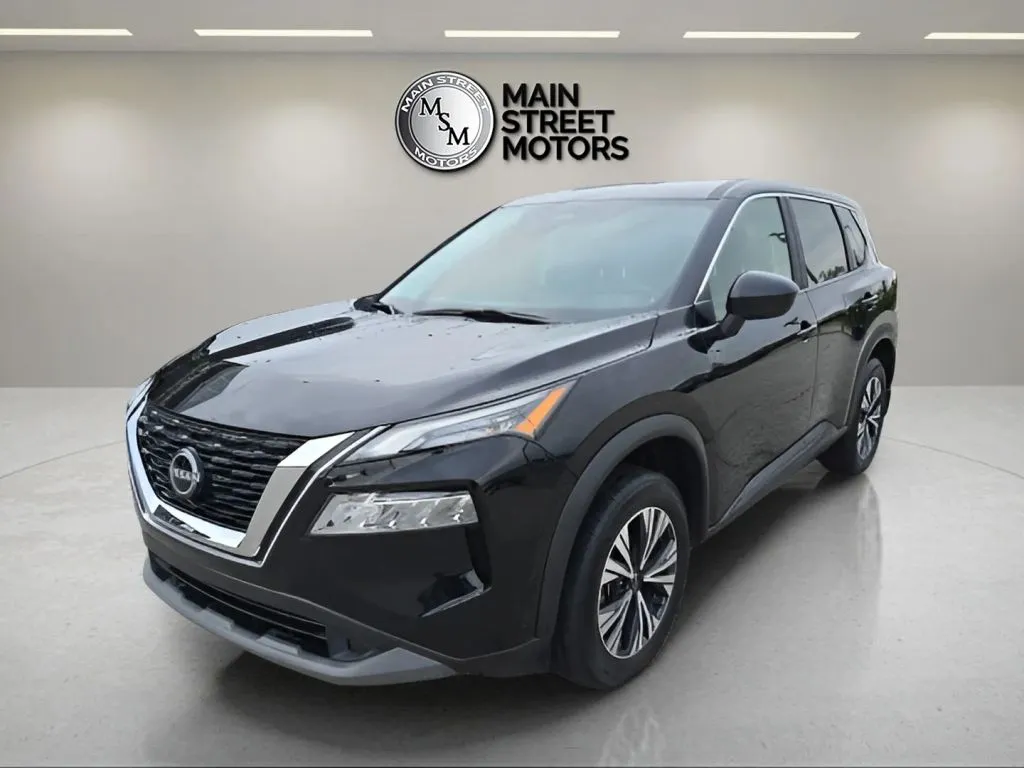
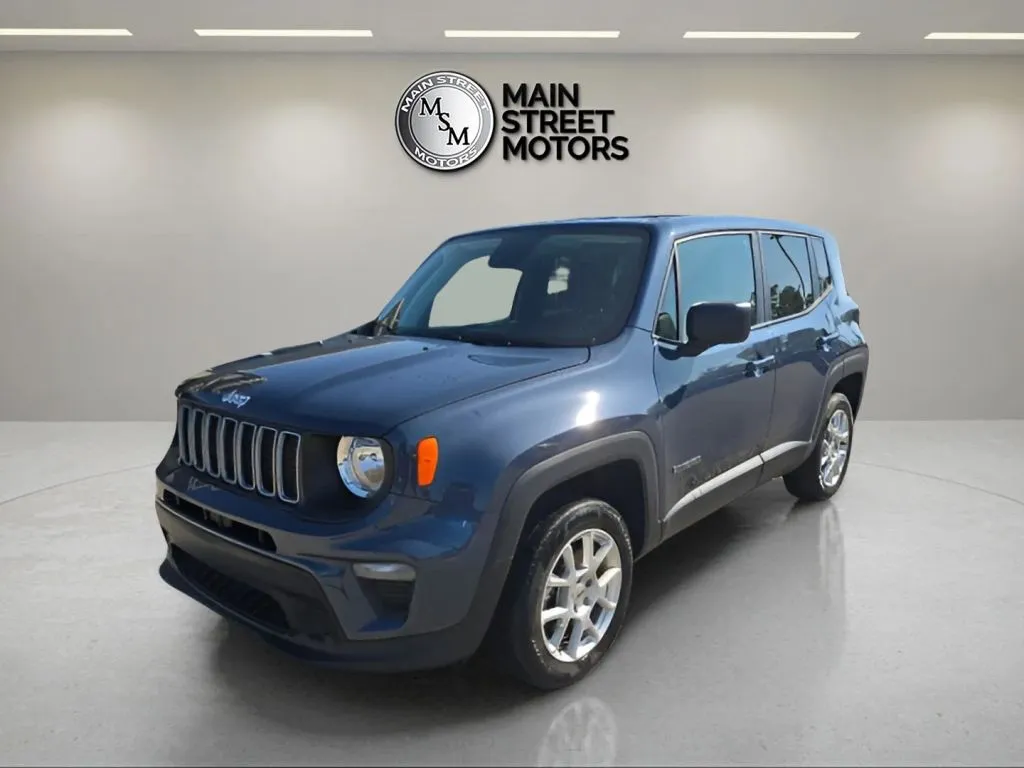
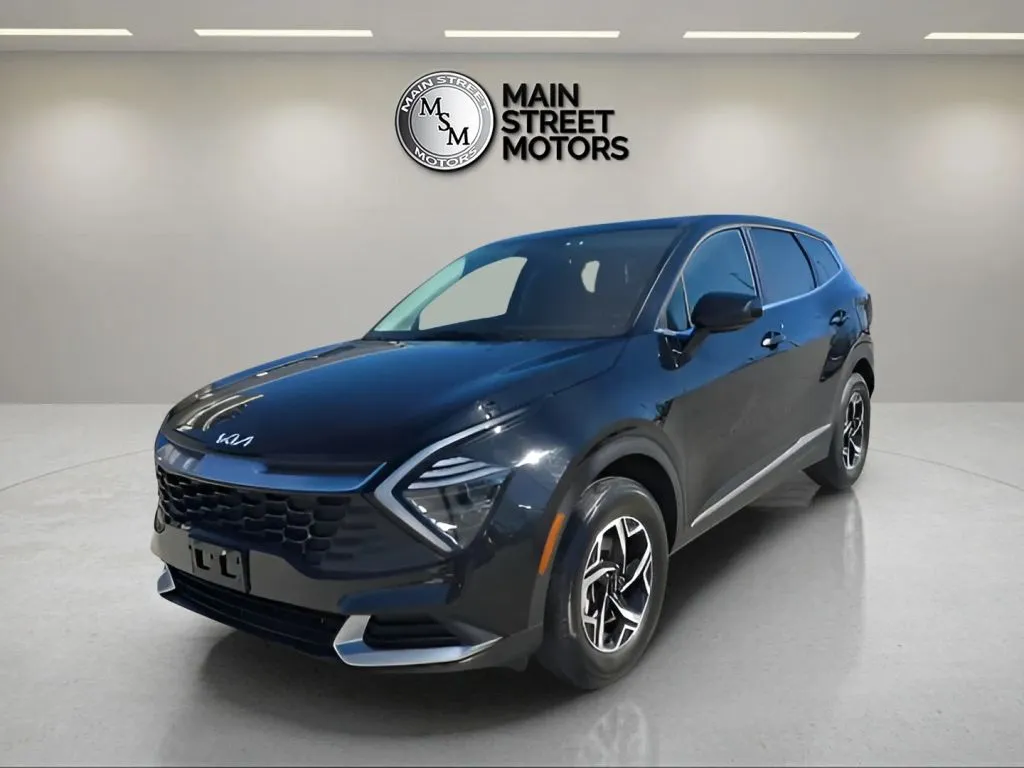
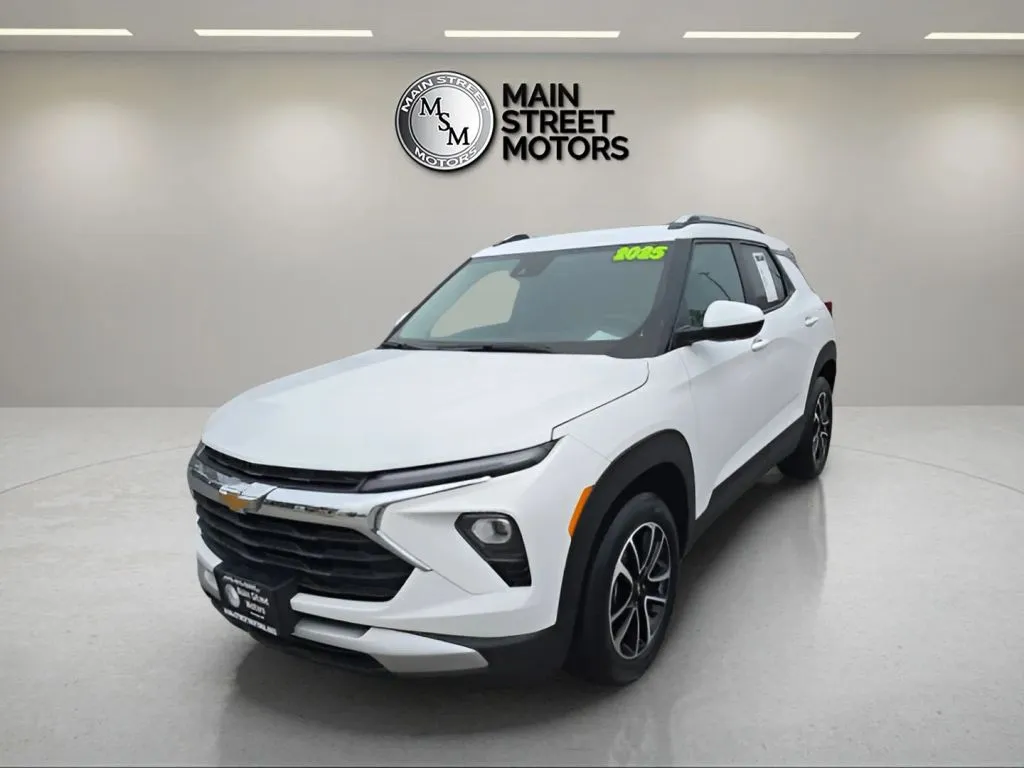
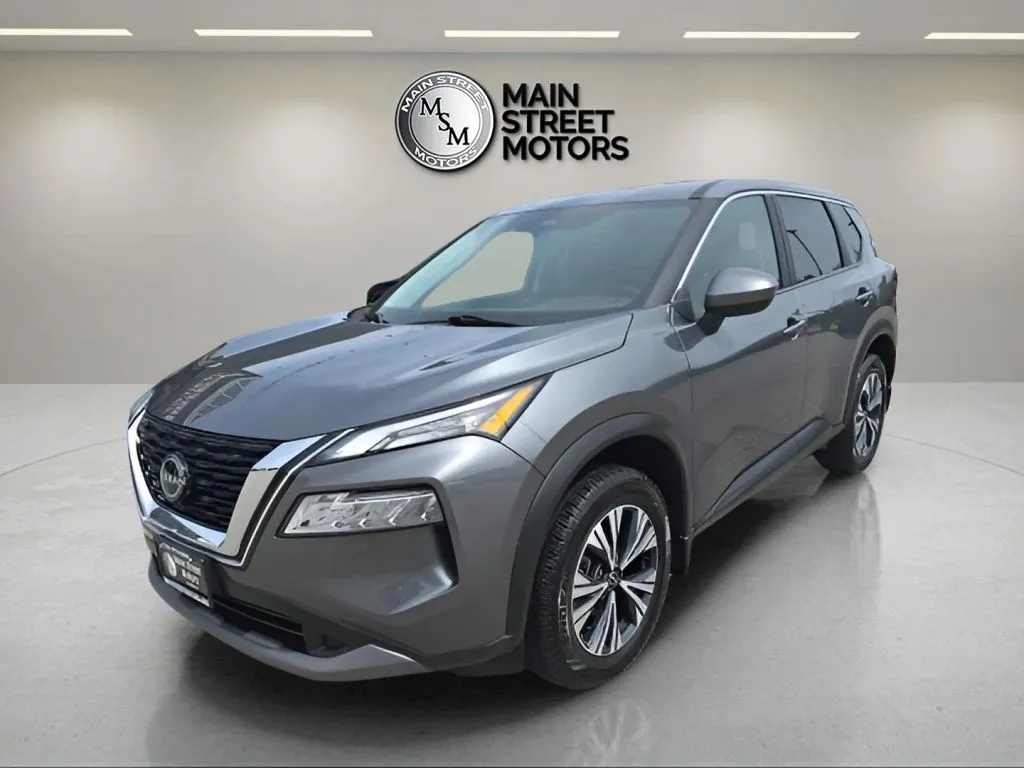
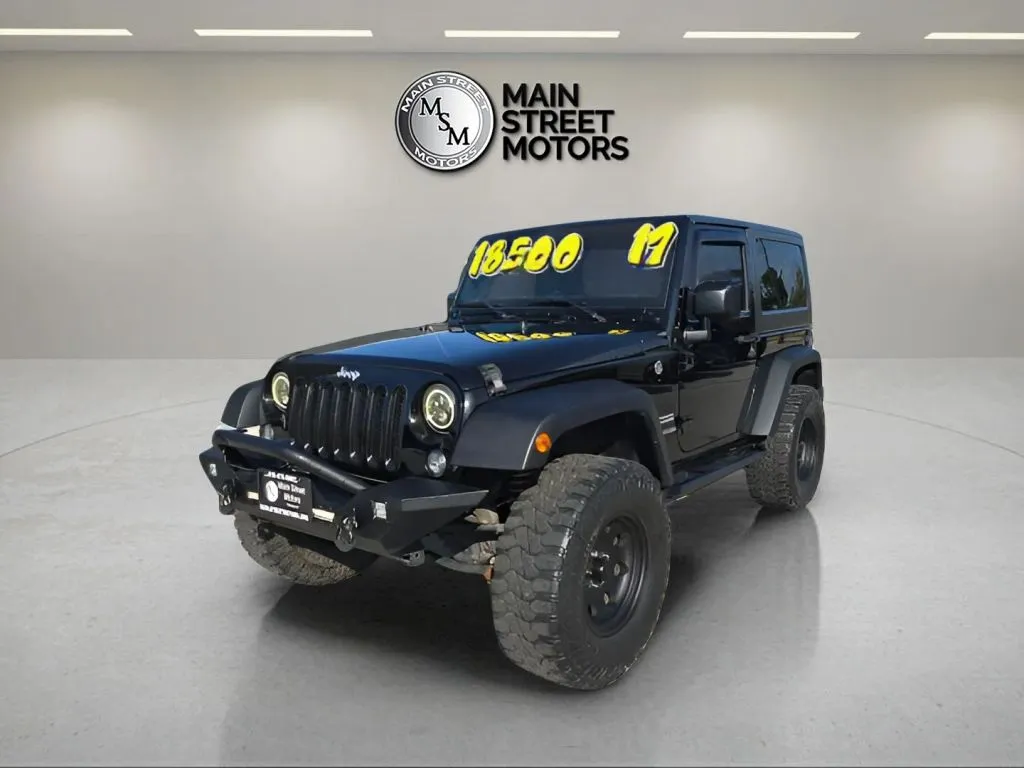
- Real examples from our lot
- When a compact makes sense
- When to size up
How the EPA classifies SUVs
FuelEconomy.gov sorts SUVs by Gross Vehicle Weight Rating. Small SUVs are under 6,000 pounds GVWR, and standard SUVs are 6,000 to 9,999 pounds.
Real examples
| Vehicle | EPA class |
|---|---|
| Hyundai Santa Fe | Small SUV |
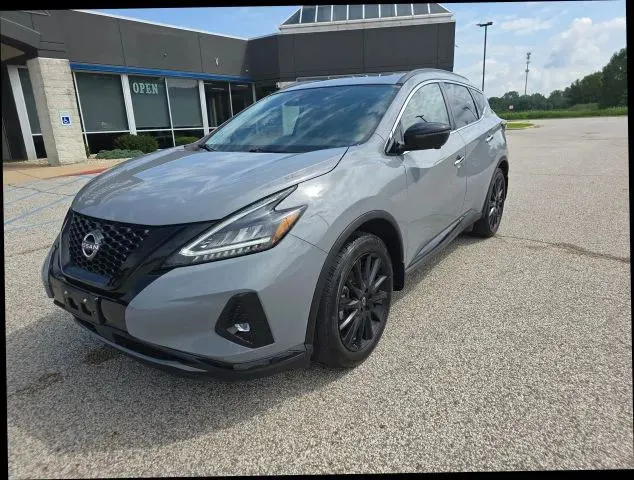
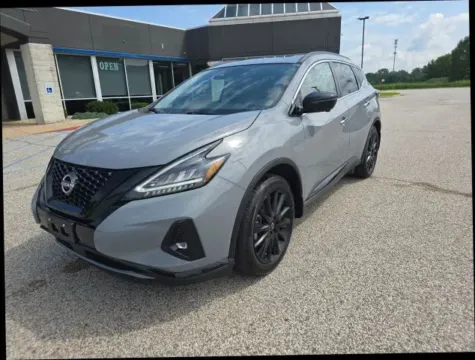
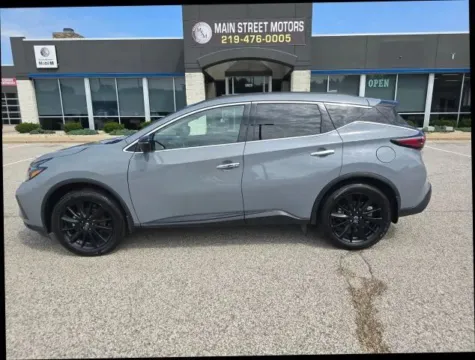
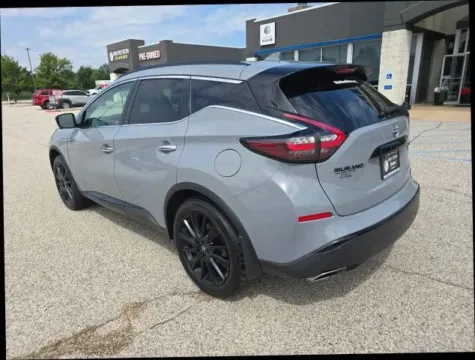
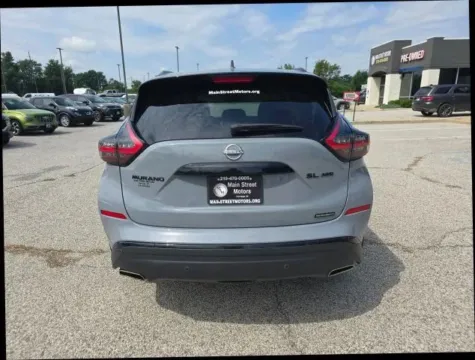
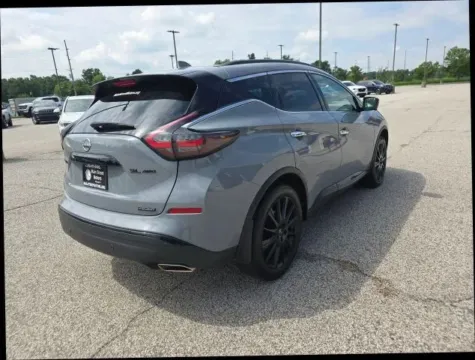
| Nissan Murano | Midsize Station Wagon |
| Ford Expedition | Standard SUV |
EPA classes for the versions on our lot. Even a roomy SUV like the Santa Fe falls in the EPA’s small SUV class because of its weight rating.
Choosing your size
A compact SUV is easier to park and usually lighter on gas. A midsize SUV gives more room for car seats and cargo. If you need a third row or serious towing, a full-size SUV is worth a look. shop our SUVs to compare in person.
Shop our SUVs
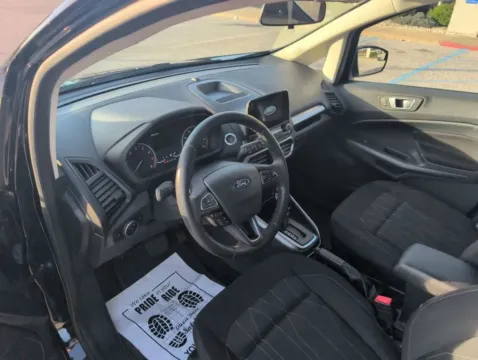
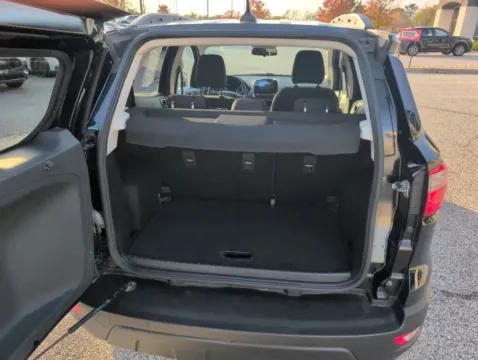
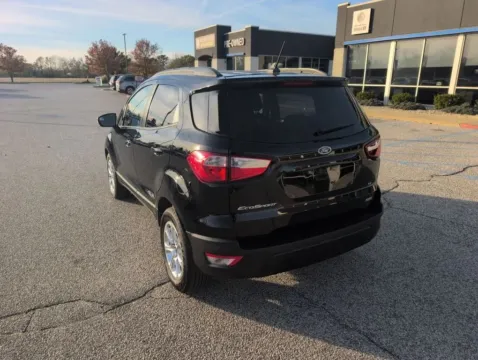
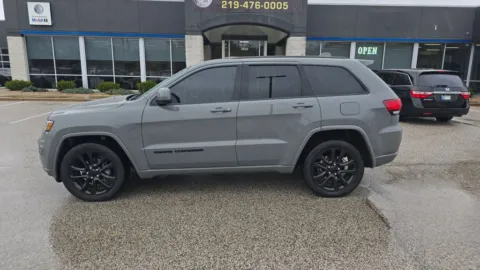
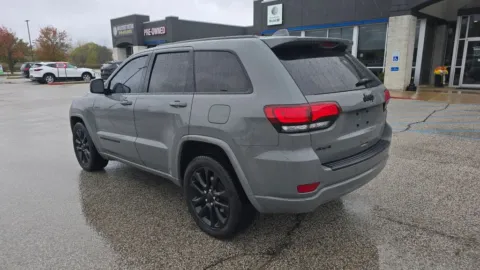
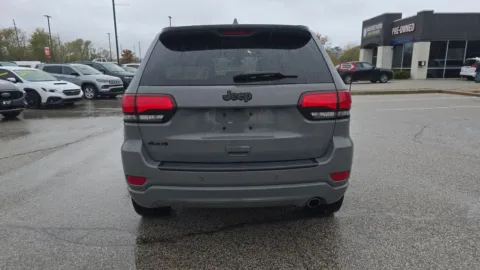
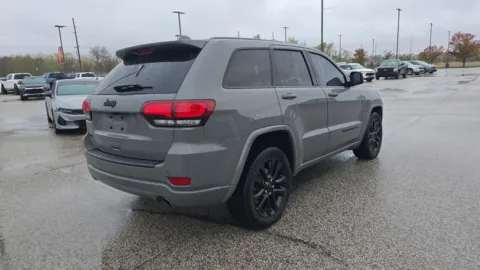
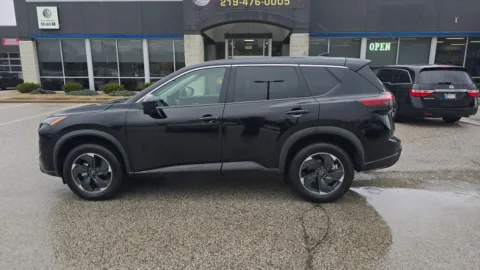
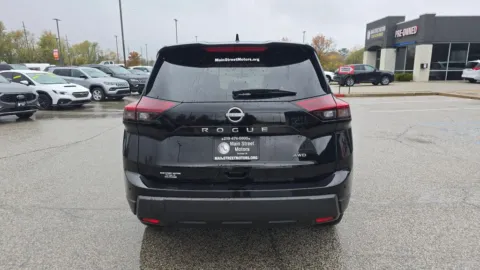
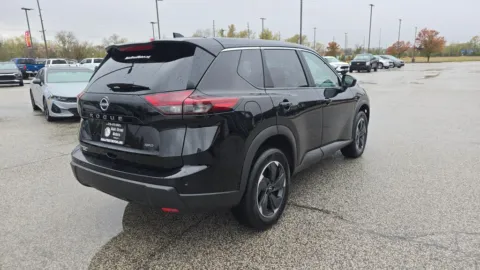
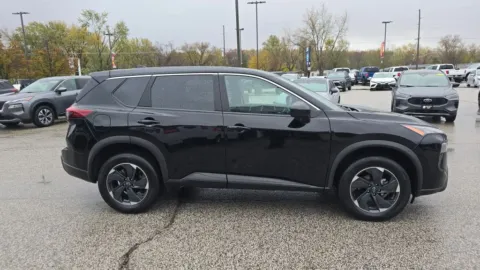
Live from our lot in Portage.



SUV size checklist
- Count your seats, including car seats
- Measure your garage
- Think about towing
- Compare EPA mpg
- Bring the car seat to your test drive
Related reading: Murano vs. Santa Fe, used third-row SUVs and best used family SUVs.
Frequently asked questions
How does the EPA define a small SUV?
FuelEconomy.gov classifies small SUVs as under 6,000 pounds Gross Vehicle Weight Rating.What is a standard SUV?
The EPA classifies standard SUVs as 6,000 to 9,999 pounds GVWR.Do your prices include dealer fees?
Yes. All of our advertised prices include all dealer fees. The only extras are government charges like tax, title and registration.