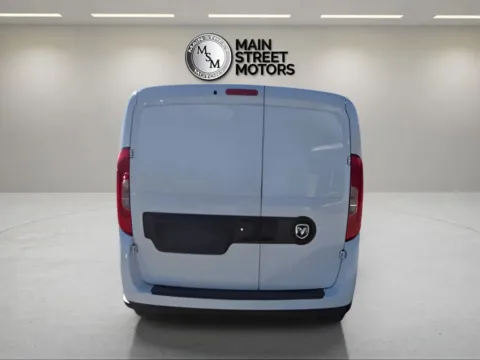
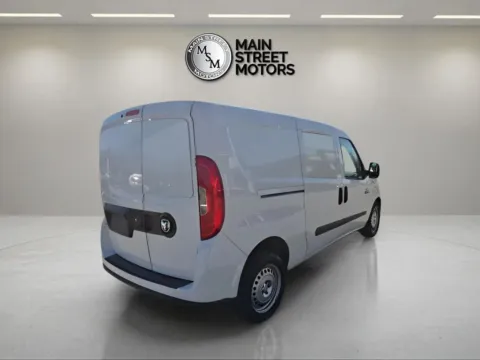
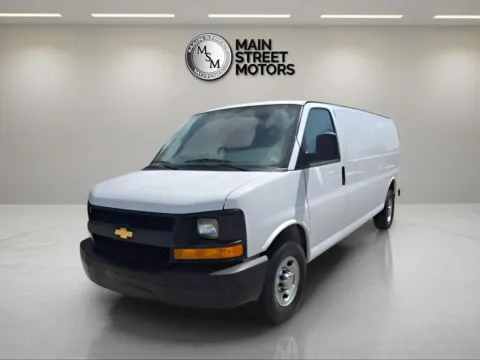
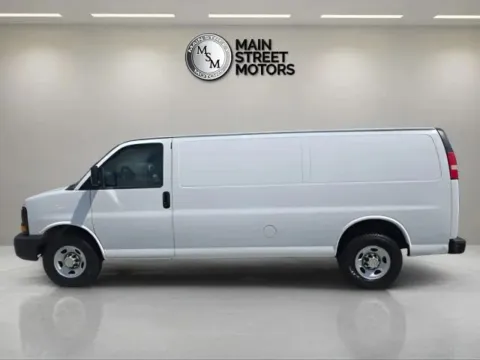
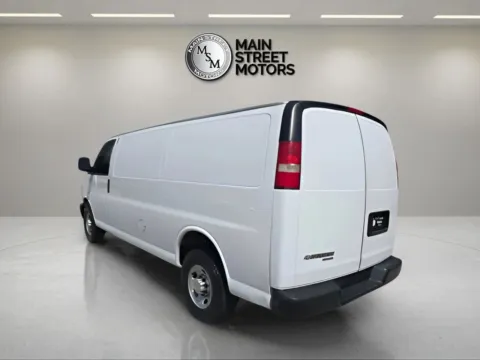
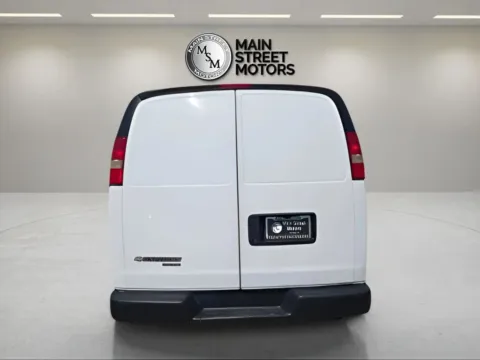
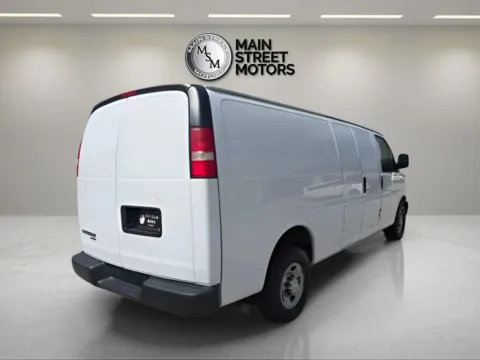
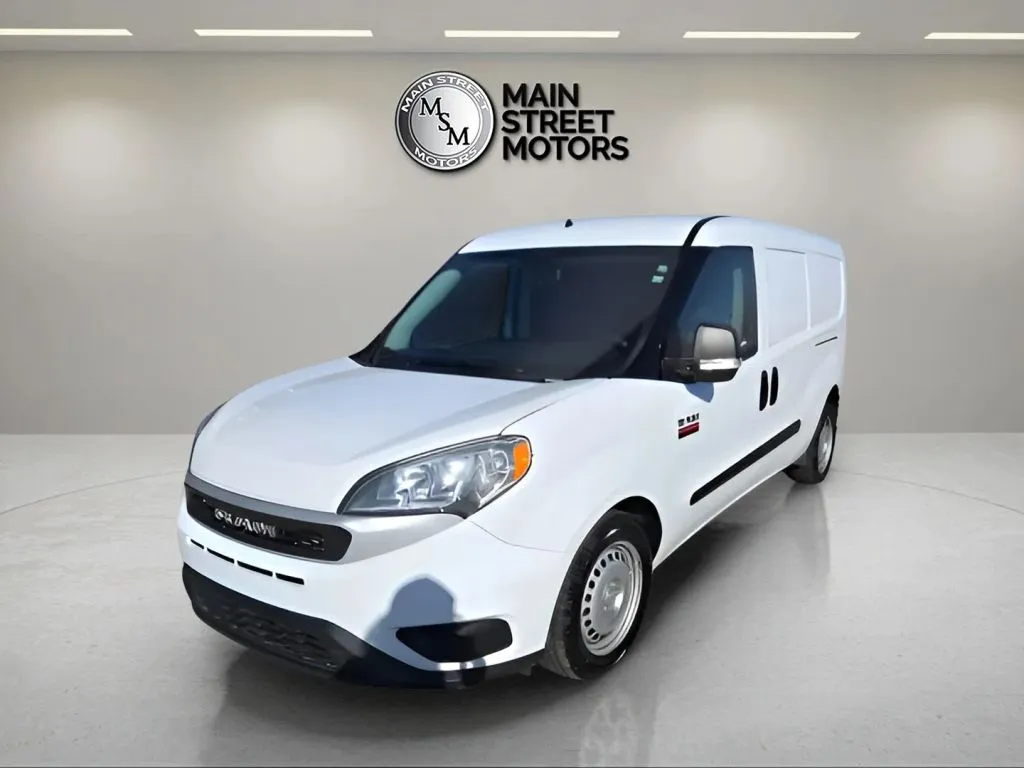
A work van is a tool. The right one makes every job easier, and the wrong size costs you time or fuel every day.This guide covers the two main sizes you'll see on a used lot, what to measure, and what to check before you buy.
Key takeaways
Compact vans like the Ram ProMaster City are efficient and easy to park. The EPA rates the 2022 ProMaster City at 24 mpg combined.
Full-size vans like the Chevy Express 3500 carry far more and are built for heavier loads.
Measure your longest item and your heaviest load before you shop.
High-mileage work vans can still have plenty of life. Maintenance records matter more than the odometer alone.
Compact vs. full-size
Compact (ProMaster City)
Full-size (Express 3500)
Best for
Deliveries, tradespeople, tight city streets
Heavy tools, materials, shelving, upfits
Parking
Fits a standard space
Needs room
Fuel
24 mpg combined (EPA, 2022)
More fuel, more capacity
EPA data from fueleconomy.gov.
What to measure
Write down the length of your longest item, the weight of your typical load and whether you need shelving or a ladder rack. Then check the van's payload rating on the door-jamb label. Payload includes you, your passenger and everything in the back.
Look at the floor, doors and hinges. Cargo areas take a beating, so check that the doors latch cleanly.
Ask for service records if they're available.
Run the VIN for recalls at nhtsa.gov/recalls. It takes about a minute.
Read the Buyers Guide on the window. Federal rules require one on every used vehicle a dealer offers for sale, and it shows whether the vehicle comes with a warranty or is sold as is.
Ask about service contracts. We offer plans from Integrity and Alpha. Coverage levels, terms and labor rates differ from plan to plan, so ask which ones fit the vehicle you like.
Take a real test drive with some highway miles on I-94 or the toll road, and try the brakes, steering and climate controls.