Mileage is one of the biggest factors in a used car's value, so it's worth making sure the number is right. Most cars are exactly what they say. A few quick checks confirm it.Here's what NHTSA and the Department of Justice suggest.
Key takeaways
NHTSA estimates more than 450,000 vehicles are sold each year with false odometer readings.
Digital odometers are harder to inspect visually, so history records matter most.
Compare the odometer with the title, service records, inspection records and a vehicle history report.
For an individual case, contact your state's enforcement agency. NHTSA handles large-scale schemes.
Quick mileage checks
Check
What to look for
Title
The odometer reading on the title should line up with the dash.
Service records
Oil change stickers and receipts should show mileage going up over time.
History report
NMVTIS and commercial reports list recorded odometer readings.
Wear
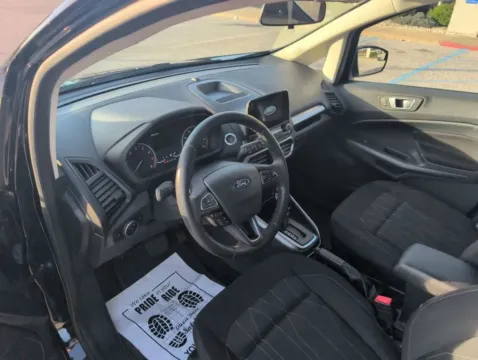
Pedals, seats and steering wheel wear should fit the miles.
Based on NHTSA and DOJ guidance.
Why history reports help
NHTSA notes that a vehicle's condition and a detailed history report are the best clues for spotting tampering, especially with digital odometers. An NMVTIS report includes the most recent recorded odometer reading.
Run the VIN for recalls at nhtsa.gov/recalls. It takes about a minute.
Read the Buyers Guide on the window. Federal rules require one on every used vehicle a dealer offers for sale, and it shows whether the vehicle comes with a warranty or is sold as is.
Ask about service contracts. We offer plans from Integrity and Alpha. Coverage levels, terms and labor rates differ from plan to plan, so ask which ones fit the vehicle you like.
Take a real test drive with some highway miles on I-94 or the toll road, and try the brakes, steering and climate controls.