Indiana Move Over Law: When to Change Lanes or Slow Down
By the Main Street Motors team · Updated November 2026
Flashing lights on the shoulder mean someone is working or waiting next to fast traffic. Indiana’s move over law protects them.
Here is what the law requires, from Indiana Code, INDOT and the BMV.

- Which vehicles the law covers
- What to do if you cannot change lanes
- What to do when an emergency vehicle approaches
- The penalties
What it covers
INDOT lists police vehicles, ambulances, fire trucks and rescue equipment, incident response vehicles like Hoosier Helpers, highway maintenance vehicles, utility service vehicles, tow trucks and garbage trucks. Since July 1, 2023, the law also covers disabled vehicles with their hazard lights flashing, on all Indiana roads, including two-lane roads.
What to do
Change lanes away from the stopped vehicle if you can do it safely. If you cannot, slow to at least 10 mph under the posted limit and proceed with caution. INDOT also says not to stop in the roadway, which can cause a chain-reaction crash.
When an emergency vehicle approaches
If an emergency vehicle is coming with lights or siren, Indiana Code 9-21-8-35 says to yield, pull to the right edge of the road clear of any intersection, and stop until it passes.
Penalties
Failing to move over or slow down for a stationary emergency vehicle is a Class A infraction, and a Level 6 felony if it results in serious injury or death to emergency personnel. The BMV Driver’s Manual lists the disabled-vehicle and amber-light rules as Class B infractions. Failing to yield to an emergency vehicle also carries 6 points under the BMV points system.
Shop our inventory
Live from our lot in Portage.
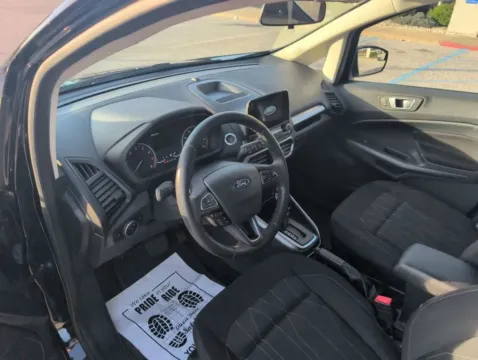

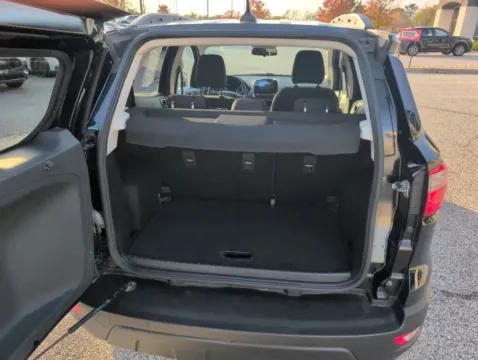
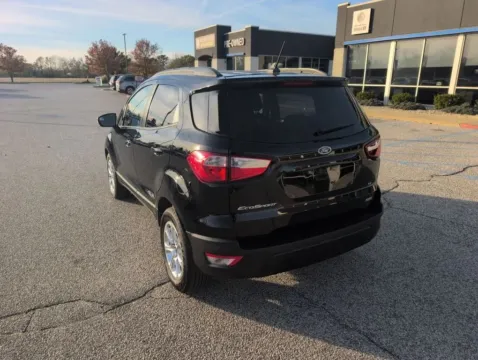
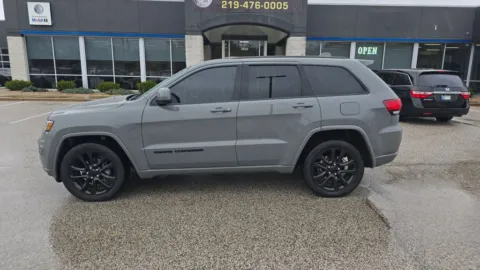
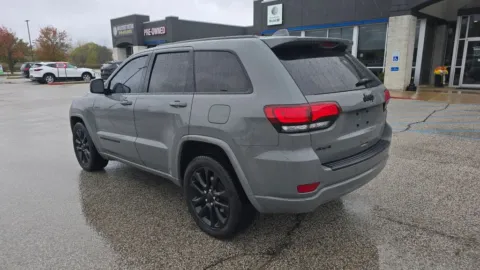
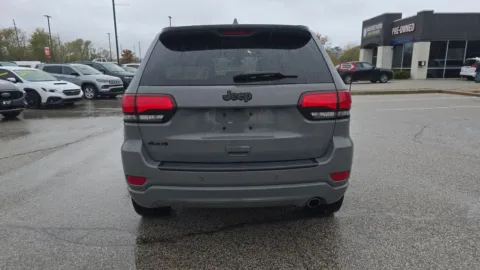
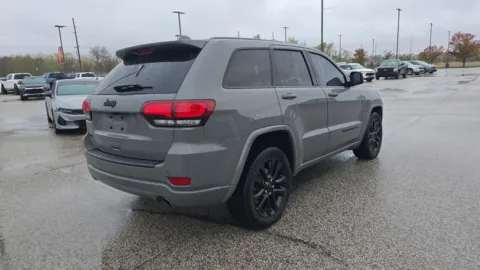

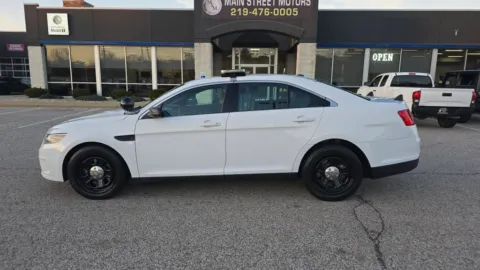


$220/mo


Move over checklist
- Scan ahead for flashing lights
- Move over when it is safe
- Slow at least 10 mph if you cannot
- Never stop in the travel lane
- Pull right and stop for an approaching emergency vehicle
Related reading: what to do after a car accident in Indiana and Indiana speed limits.
Frequently asked questions
Do I have to move over for a car with hazards on in Indiana?
Yes. Since July 1, 2023, the law covers disabled vehicles with hazard lights flashing.What if I cannot change lanes?
Slow to at least 10 mph under the posted speed limit and proceed with caution.Does it apply on two-lane roads?
Yes. INDOT says it applies on all Indiana roads, including two-lane roads.