4WD High vs. Low: When to Use Each Setting
By the Main Street Motors team · Updated November 2026
Your 4WD selector has more than one setting for a reason.
Here is what owner’s manuals from Toyota, Ram and Jeep say about each one.

- What 2H is for
- What 4H is for
- What 4L is for
- How to shift between them
| Setting | Use it for (per Toyota) |
|---|---|
| 2H | Normal driving on dry, hard-surfaced roads; best fuel economy |
| 4H | Roads that permit the tires to slide: off-road, icy or snow-covered |
| 4L | Maximum power and traction: steep climbs or descents, off-road, hard pulling in sand, mud or deep snow |
4L gives you power at low speed
Ram’s manual explains that low range lets the engine work in a higher power range, helping you crawl over obstacles and down hills with more control, and get heavy loads rolling in rain, ice, snow, mud or sand.
Do not use 4L on dry pavement
Jeep’s manual warns against using 4L on dry pavement and says to avoid speeds over 25 mph in 4L on that vehicle. Speed limits in low range vary, so check your manual.
Shifting into 4L
On Toyota trucks, the guide says to stop completely, keep the brake pressed and shift to neutral before moving between 4H and 4L. Your truck may differ.
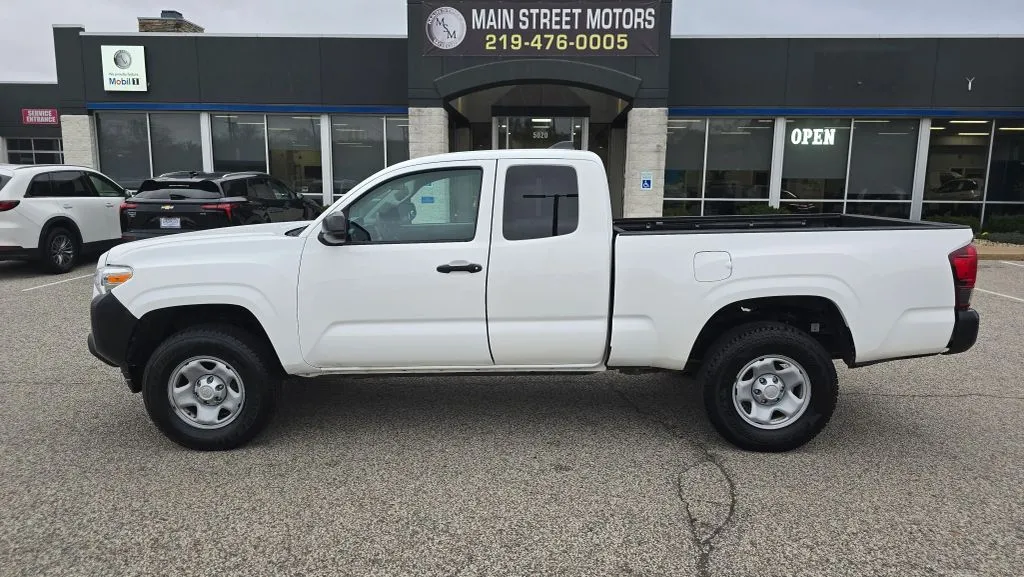
Pictured: a 2020 Toyota Tacoma SR on our lot. Read AWD vs. 4WD explained and shop our trucks.
Shop our trucks
Live from our lot in Portage.



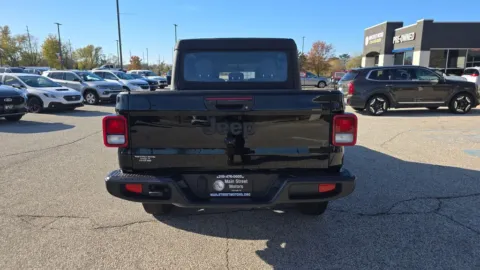
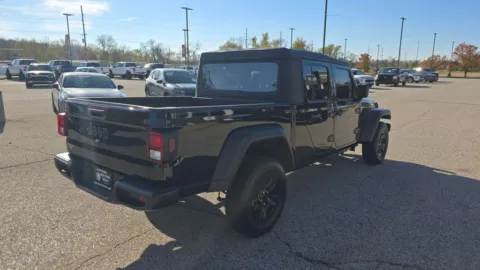

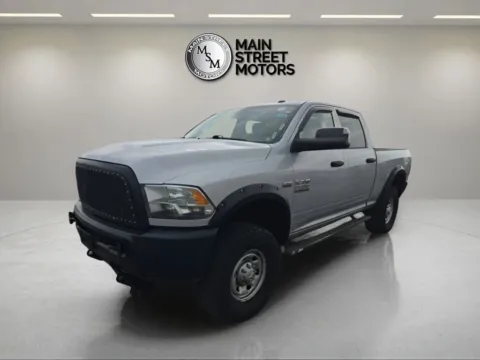
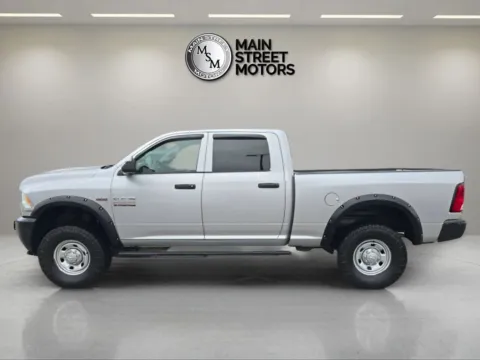

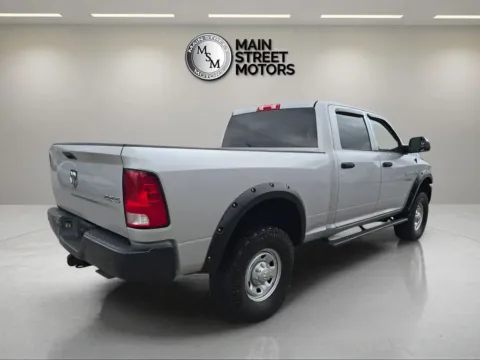
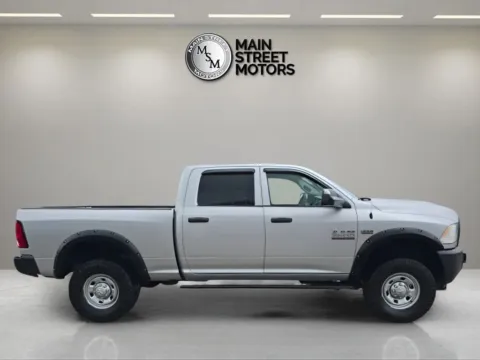
$355/mo


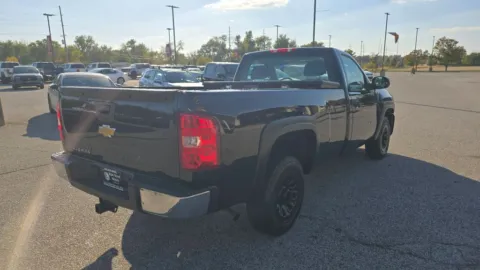
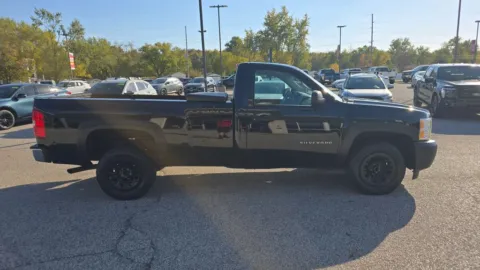
$150/mo
4WD checklist
- 2H for dry roads
- 4H for snow and ice
- 4L for steep, deep or heavy
- Never 4L on dry pavement
- Read your manual for shift steps
Related reading: how to drive in snow and 6-inch lifts and 35-inch tires.
Frequently asked questions
When should I use 4WD low?
For steep hills, off-road driving and hard pulling in sand, mud or deep snow, per Toyota.Can I drive in 4WD high on the highway in snow?
Toyota says 4H is for roads that permit the tires to slide, such as icy or snow-covered roads. Follow your manual’s speed guidance.Can I use 4L on dry pavement?
Jeep’s manual warns not to.