
TPMS Light On? What the Tire Pressure Light Means
By the Main Street Motors team · Updated November 2026
A TPMS light means one or more tires may be low on air. In Northwest Indiana it often comes on during cold snaps, because tire pressure drops as the temperature falls. Here's what NHTSA says each signal means and what to do.

- How TPMS works
- What a solid light means
- What a flashing light means
- Why it comes on in the cold
How it works
NHTSA explains that direct TPMS uses sensors in each tire, while indirect TPMS uses the wheel-speed sensors to spot a tire that is spinning differently.
Solid light
A solid light means at least one tire is significantly underinflated. Check and fill your tires as soon as you can. The light should go off once they are properly inflated.
Comes on in the morning, then goes off
NHTSA says a light that comes on during cold mornings and then goes off can mean your tires are marginally low. Cold air lowers pressure. See our guide on tire pressure in cold weather.
Flashing, then solid
If the light flashes for 60 to 90 seconds and then stays on, the system itself may have a malfunction. Have it inspected.
Use a gauge, too
NHTSA says TPMS is not a substitute for regular maintenance. Check pressure monthly with an accurate gauge, using the pressure on your door jamb label, not the maximum on the sidewall.
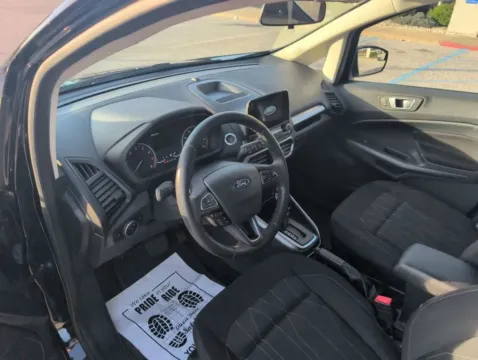
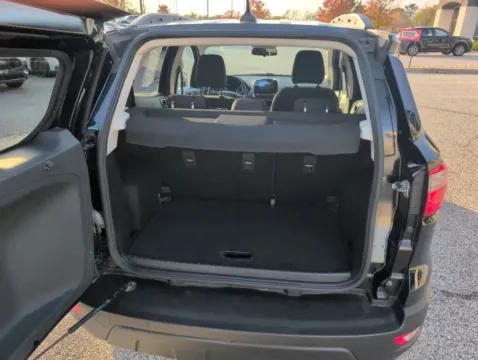
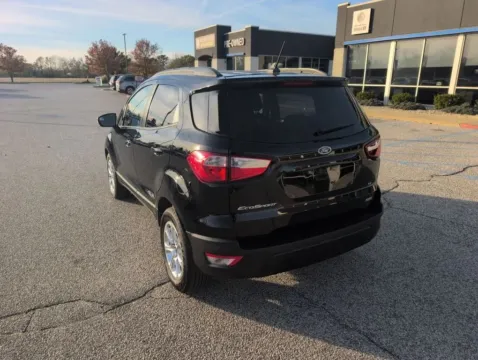
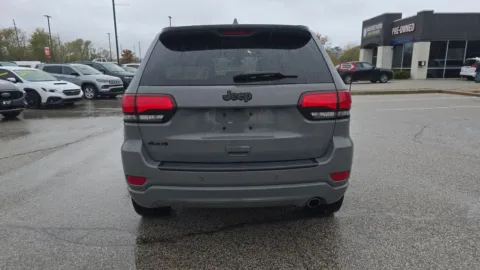
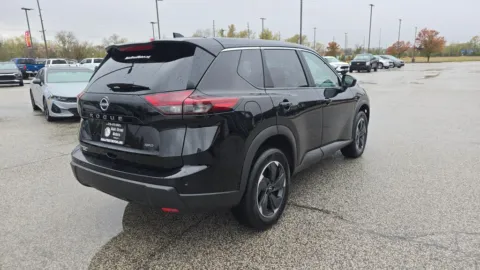
Pictured: a 2023 Hyundai Santa Fe SEL on our lot.
Shop our SUVs
Live from our lot in Portage.














TPMS checklist
- Check pressure monthly
- Use the door jamb number
- Check when tires are cold
- Inspect a flashing light
- Do not ignore a solid light
Related reading: tire pressure in cold weather, how often to rotate tires and how to tell how old your tires are.
Frequently asked questions
What does a solid TPMS light mean?
At least one tire is significantly underinflated, according to NHTSA.Why does my TPMS light come on when it is cold?
Cold lowers tire pressure. NHTSA says a light that comes on in the cold and then goes off can mean tires are marginally low.What does a flashing TPMS light mean?
Flashing for 60 to 90 seconds and then staying on can mean the system has a malfunction.
