Regular vs. Premium Gas: Which Does Your Car Need?
By the Main Street Motors team · Updated November 2026
Premium gas costs more at the pump, so it is worth knowing whether your car actually needs it.
Here is what FuelEconomy.gov says.

- Octane ratings at the pump
- Which engines need premium
- Required vs. recommended
- Risks of using too low an octane
| Grade | Octane |
|---|---|
| Regular | 87 |
| Midgrade | 88 to 90 |
| Premium | 91 to 94 |
Most cars use regular
FuelEconomy.gov says most gasoline vehicles are designed to run on 87 octane. Your owner’s manual tells you what yours needs.
Who needs premium
Higher compression, turbocharged and supercharged engines often call for higher octane.
Required vs. recommended
If premium is required, use it. Using a lower octane than required can cause poor running, long-term engine and emissions damage, and may affect your warranty. If premium is only recommended, FuelEconomy.gov says the cost of premium usually exceeds the savings, and the benefit shows up mainly under heavy use like towing or hot weather.
Shopping for a performance car?
Check the fuel requirement before you buy so you can budget for it. Browse our sports cars or browse our inventory.
Shop our inventory
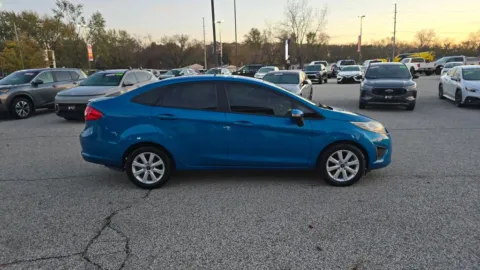
Live from our lot in Portage.






$220/mo


Fuel grade checklist
- Read your manual or fuel door
- Required means required
- Recommended is optional
- Budget fuel before buying a performance car
- Compare costs on FuelEconomy.gov
Related reading: E15 gas and how to improve gas mileage.
Frequently asked questions
Is premium gas better for my car?
Only if your engine requires or benefits from it. FuelEconomy.gov says most gas vehicles are designed for 87 octane.What happens if I use regular in a car that requires premium?
FuelEconomy.gov says it can cause poor running and long-term engine and emissions damage, and may affect your warranty.What octane is premium?
91 to 94.