
Car Maintenance Schedule: What to Check and When
By the Main Street Motors team · Updated November 2026
Regular maintenance keeps a vehicle safe, efficient and worth more at trade-in time.
Here is a simple schedule based on NHTSA and FuelEconomy.gov. Your owner’s manual always comes first.

- What to check monthly
- What to do every few thousand miles
- What to check before winter
- Why the owner’s manual wins
Every month
- Tire pressure, using the door jamb label (NHTSA)
- Tread depth, replacing at 2/32 inch (NHTSA)
- Lights and wipers
Every 5,000 to 8,000 miles
- Rotate tires, unless your manual says otherwise (NHTSA)
- Oil and filter on the schedule in your manual or oil life monitor
- Use the manufacturer’s recommended oil grade, which FuelEconomy.gov says can improve mileage 1 to 2 percent
Before winter
NHTSA recommends having a mechanic check your battery, charging system and belts before cold weather, and keeping a winter kit in the car. See our winter emergency kit guide.
Right away
- A check engine light (see our guide)
- A solid TPMS light
- Open recalls, which you can look up on NHTSA.gov
Your manual comes first
Intervals for oil, filters and fluids vary by vehicle, so follow your owner’s manual. Keep your receipts, since records help at trade-in time.
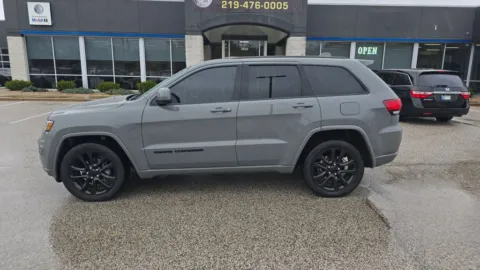
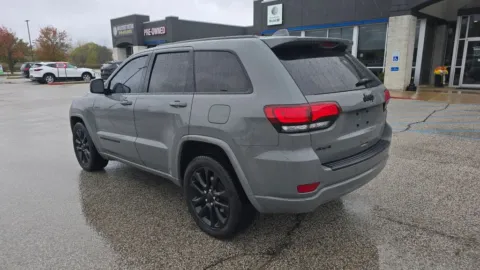
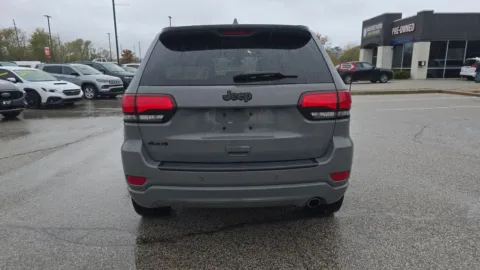
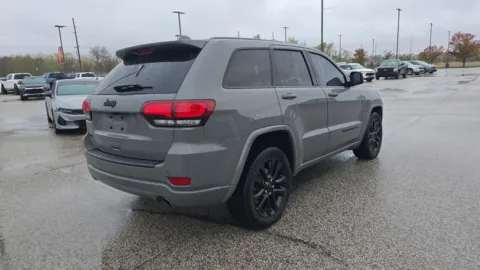
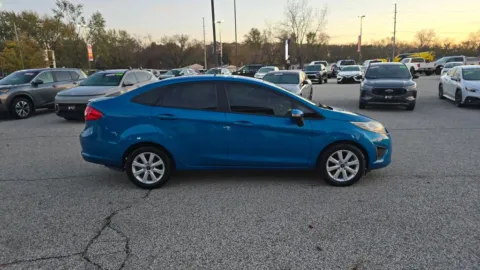
Pictured: a 2023 Jeep Wrangler Unlimited Rubicon on our lot. We offer service contracts through Integrity Warranty and Alpha Warranty Services. Many of our customers choose Integrity’s top plan, often around 3 years or 60,000 miles, and we are happy to walk you through the options.
Shop our inventory
Live from our lot in Portage.






$220/mo



Maintenance checklist
- Monthly: tires, lights, wipers
- 5,000 to 8,000 miles: rotate tires
- Per manual: oil and filters
- Fall: battery and belts
- Always: check recalls
Related reading: maintenance after 100,000 miles and service contracts on used cars.
Frequently asked questions
How often should I rotate my tires?
NHTSA says every 5,000 to 8,000 miles, unless your manufacturer says otherwise.How often should I change my oil?
Follow your owner’s manual or oil life monitor, since intervals vary by vehicle.Do you offer service contracts?
Yes. We offer service contracts through Integrity Warranty and Alpha Warranty Services. Many of our customers choose Integrity’s top plan, often around 3 years or 60,000 miles, and we are happy to walk you through the options.