Car Battery in Cold Weather: How to Avoid a No-Start
By the Main Street Motors team · Updated November 2026
Nothing ruins a January morning like a car that will not start.
Here is what NHTSA says about batteries and cold weather.

What you'll learn
- Why cold weather is hard on batteries
- What to have checked
- What EV and hybrid drivers should know
- What to keep in the car
Why cold is tough
NHTSA puts it simply: when the temperature drops, so does battery power. Cold also makes engines take more battery power to start.
Get it checked
NHTSA recommends having a mechanic check your battery, charging system and belts before winter.
EVs and hybrids
NHTSA notes cold weather can reduce the driving range of electric and hybrid vehicles. Plan your charging and trips accordingly. See EV charging at home.
Keep jumper cables
Jumper cables are on NHTSA’s winter emergency kit list. See our full winter emergency kit.
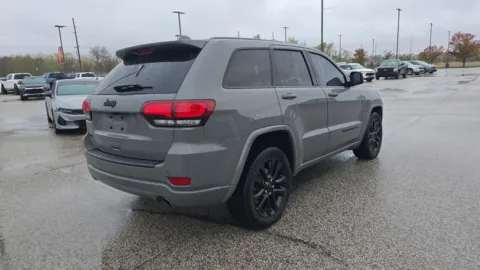
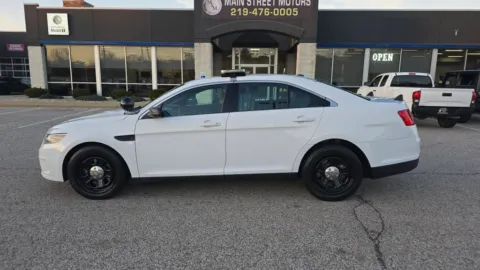
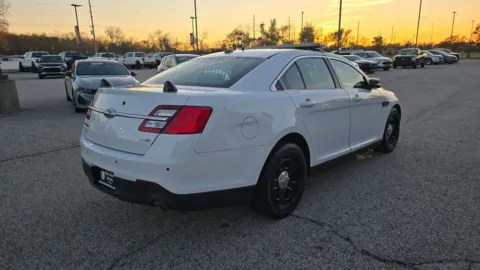
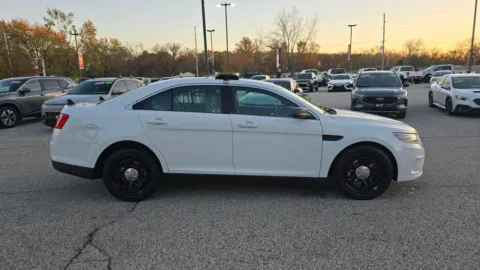
Shop our inventory
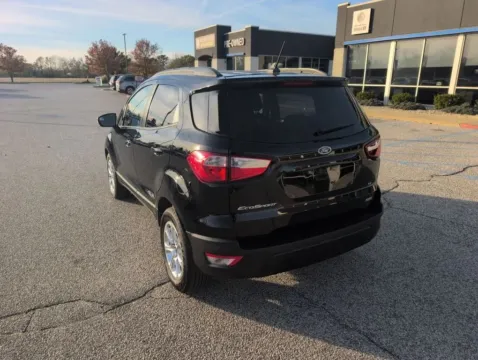
Live from our lot in Portage.

Hot



Est. Payment
$220/mo
$220/mo


Winter battery checklist
- Test the battery before winter
- Check belts and charging system
- Keep jumper cables
- Keep the tank near full
- Plan EV range for the cold
Related reading: winter car checklist and how to drive in snow.
Winter-ready rides
Shop our inventory, get pre-qualified and value your trade.
Frequently asked questions
Why do car batteries die in the cold?
NHTSA says battery power drops with the temperature, and cold engines need more power to start.What should I check before winter?
NHTSA recommends a mechanic check the battery, charging system and belts.Does cold affect EV range?
Yes. NHTSA notes cold can reduce range for EVs and hybrids.Sources

What's your car worth?
Get My Instant Trade OfferCheck out our featured vehicles